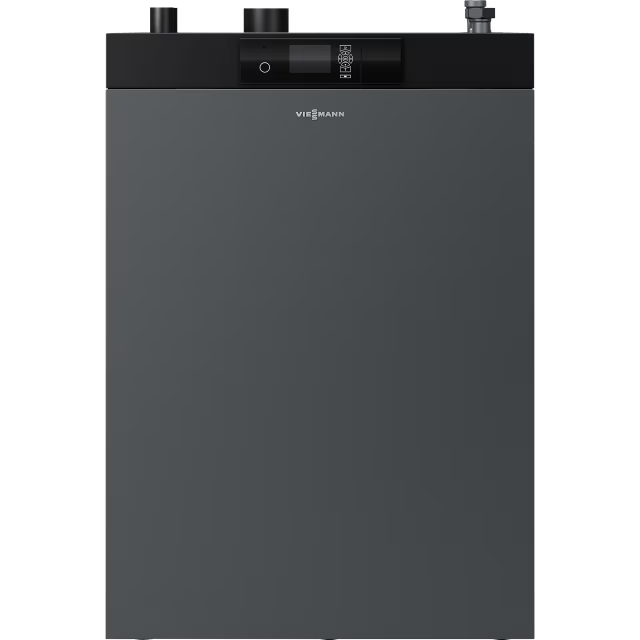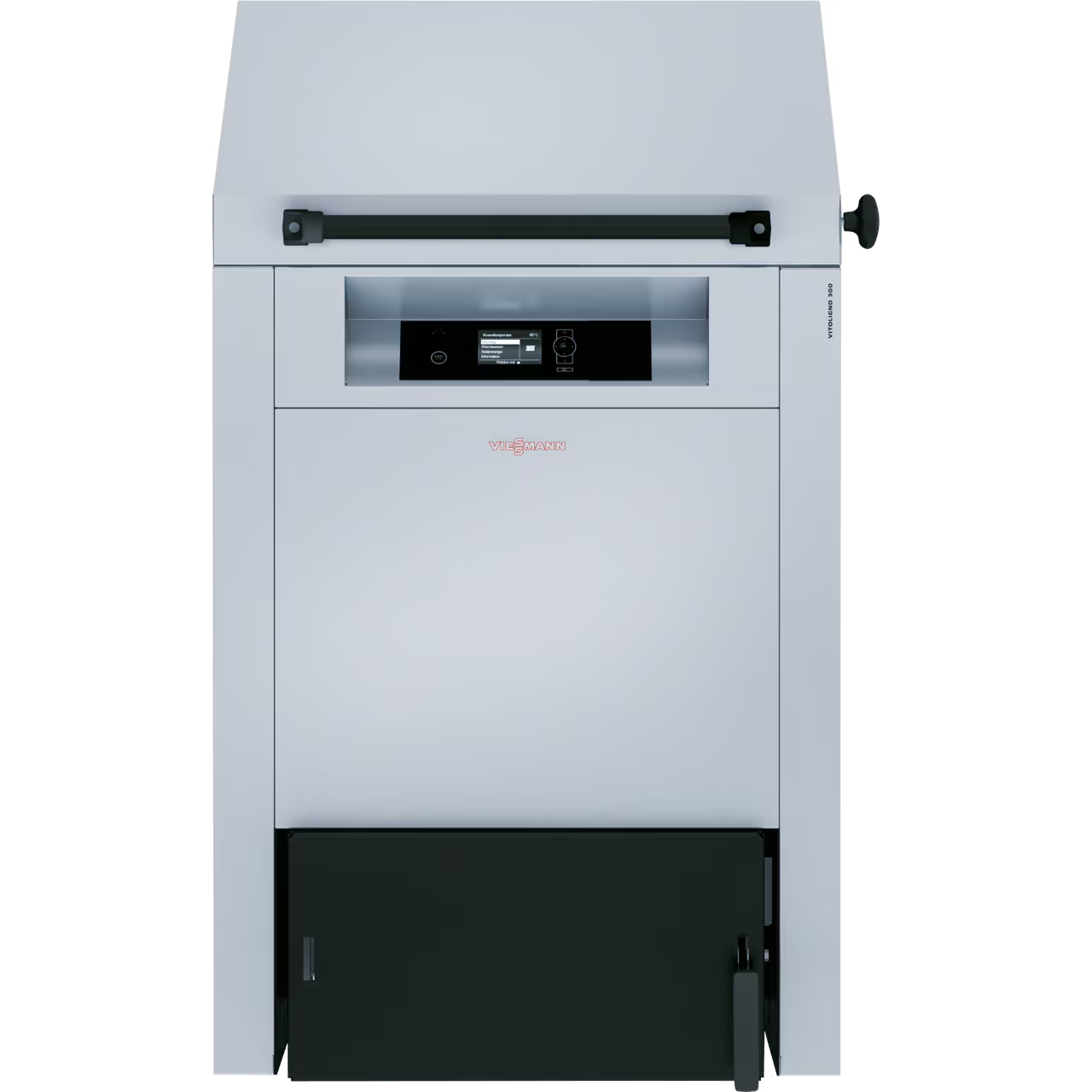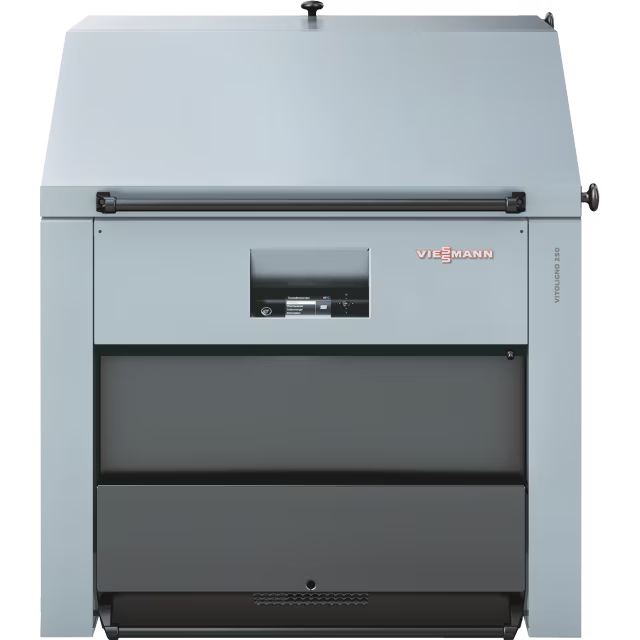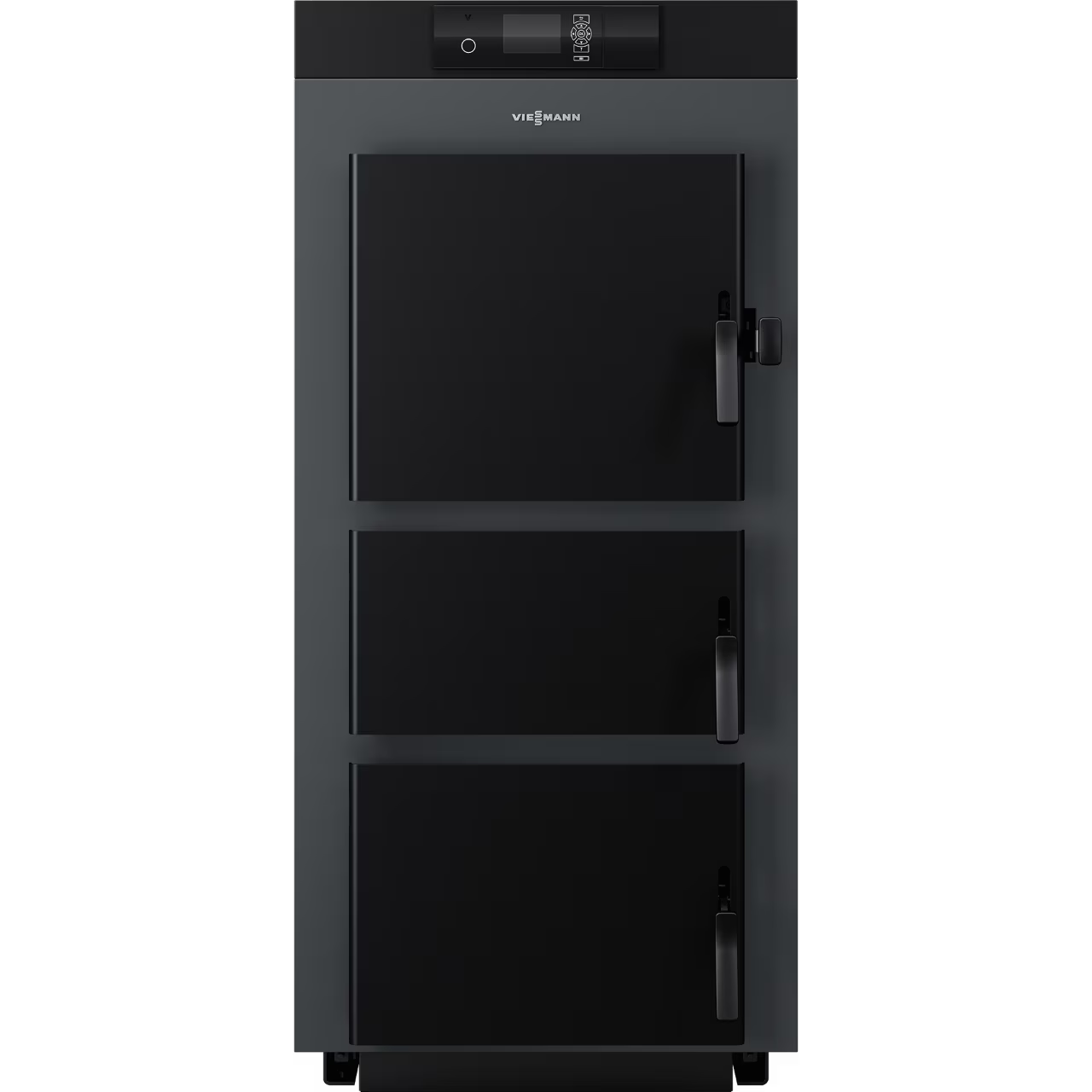

Pellet boiler
Powerful pellet boiler for enterprises and residential buildings
-

Ideal for new construction and retrofits
-

High quality as standard
-

Suitable for businesses and homes
-

Control via touch screen, mobile phone and PC
Your local Viessmann sales partner will provide you with individual advice
Powerful pellet boiler for enterprises and residential buildings
Ideal for new construction and retrofits
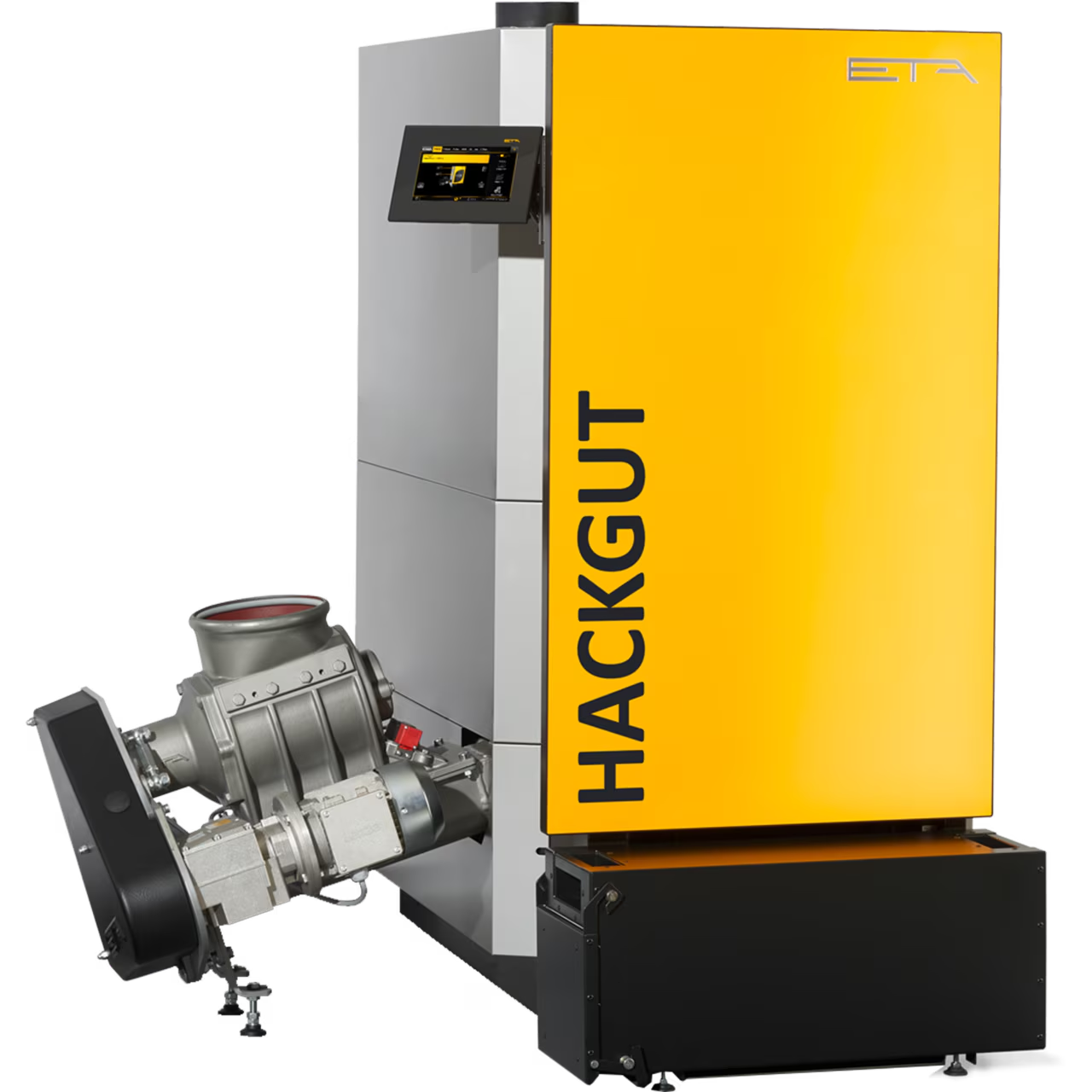
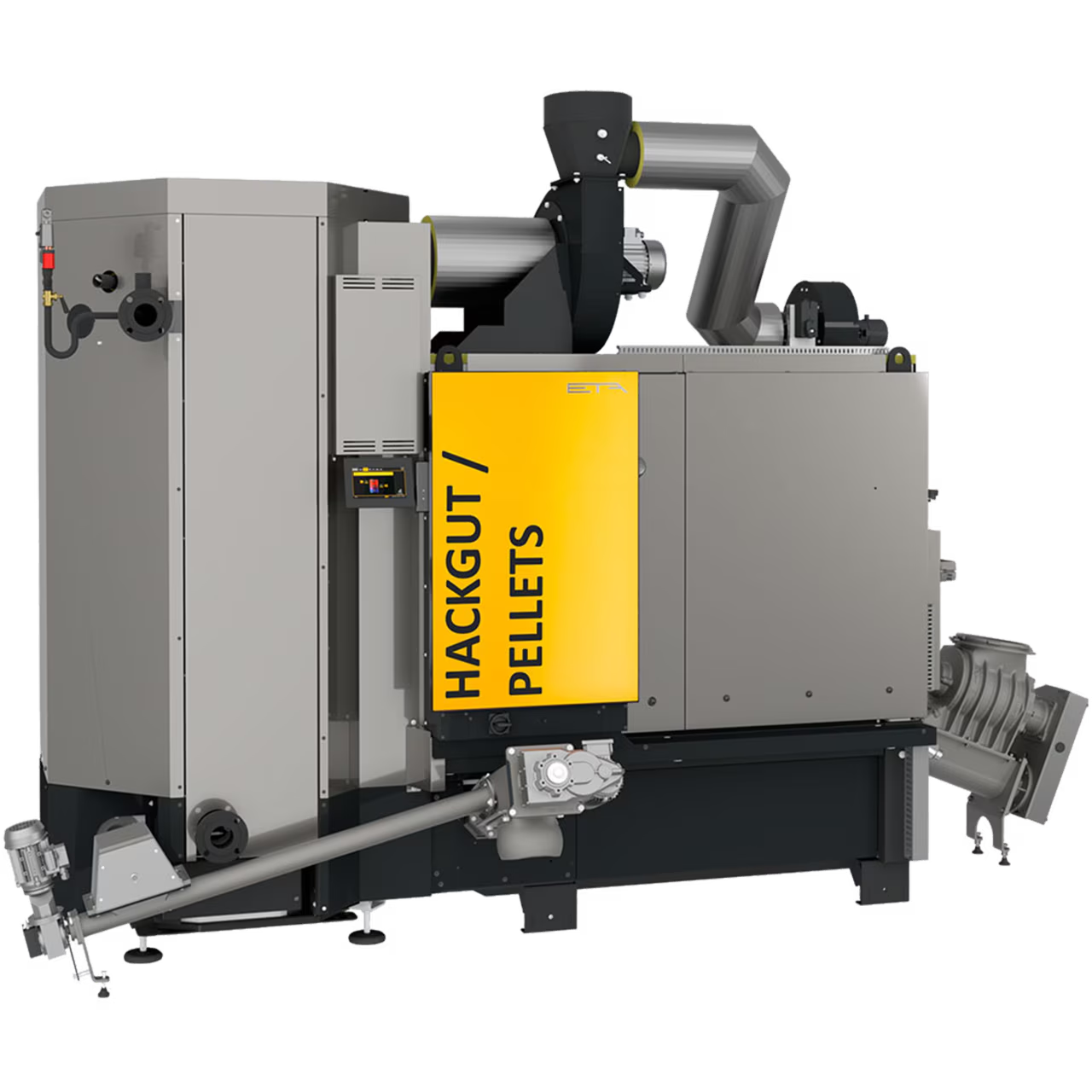
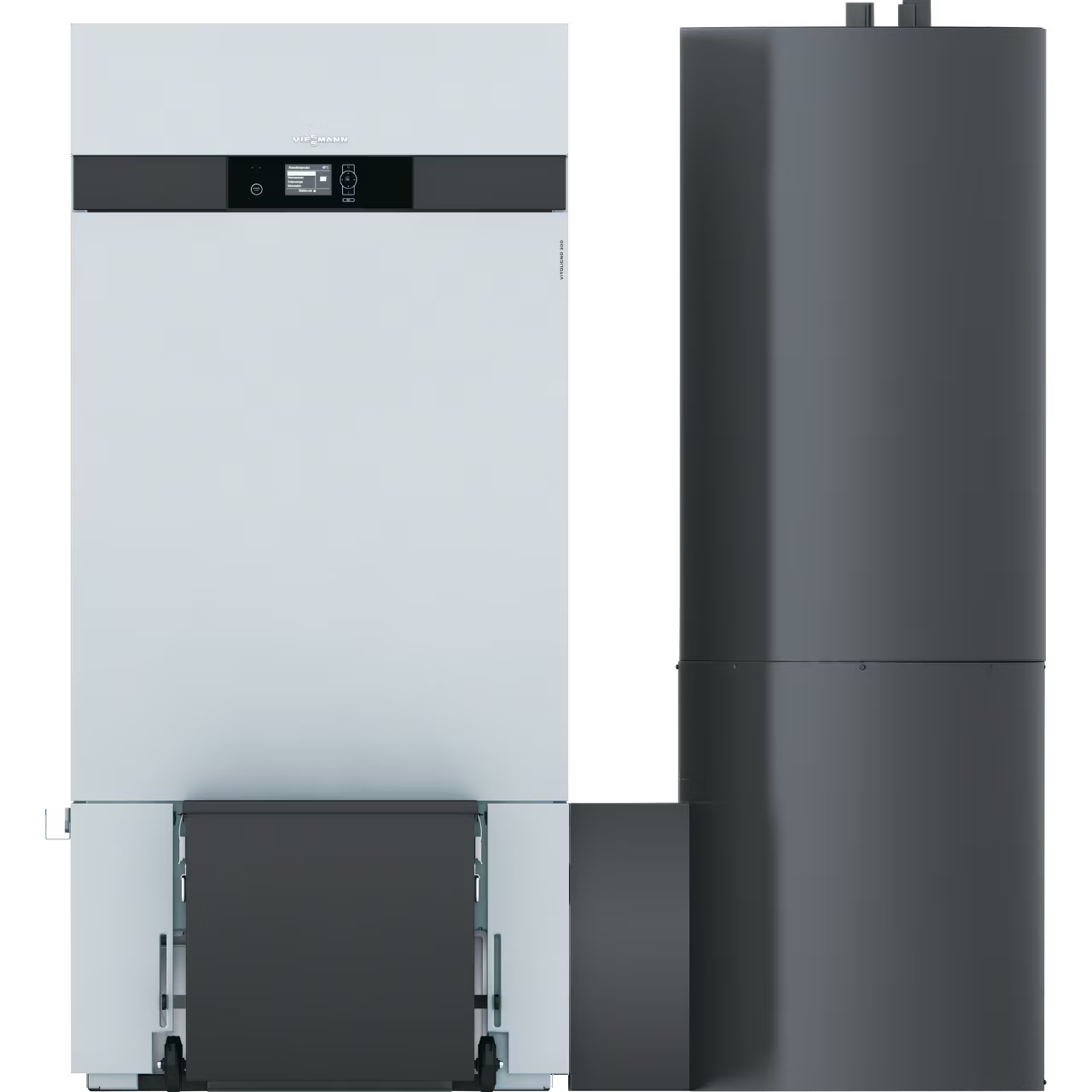
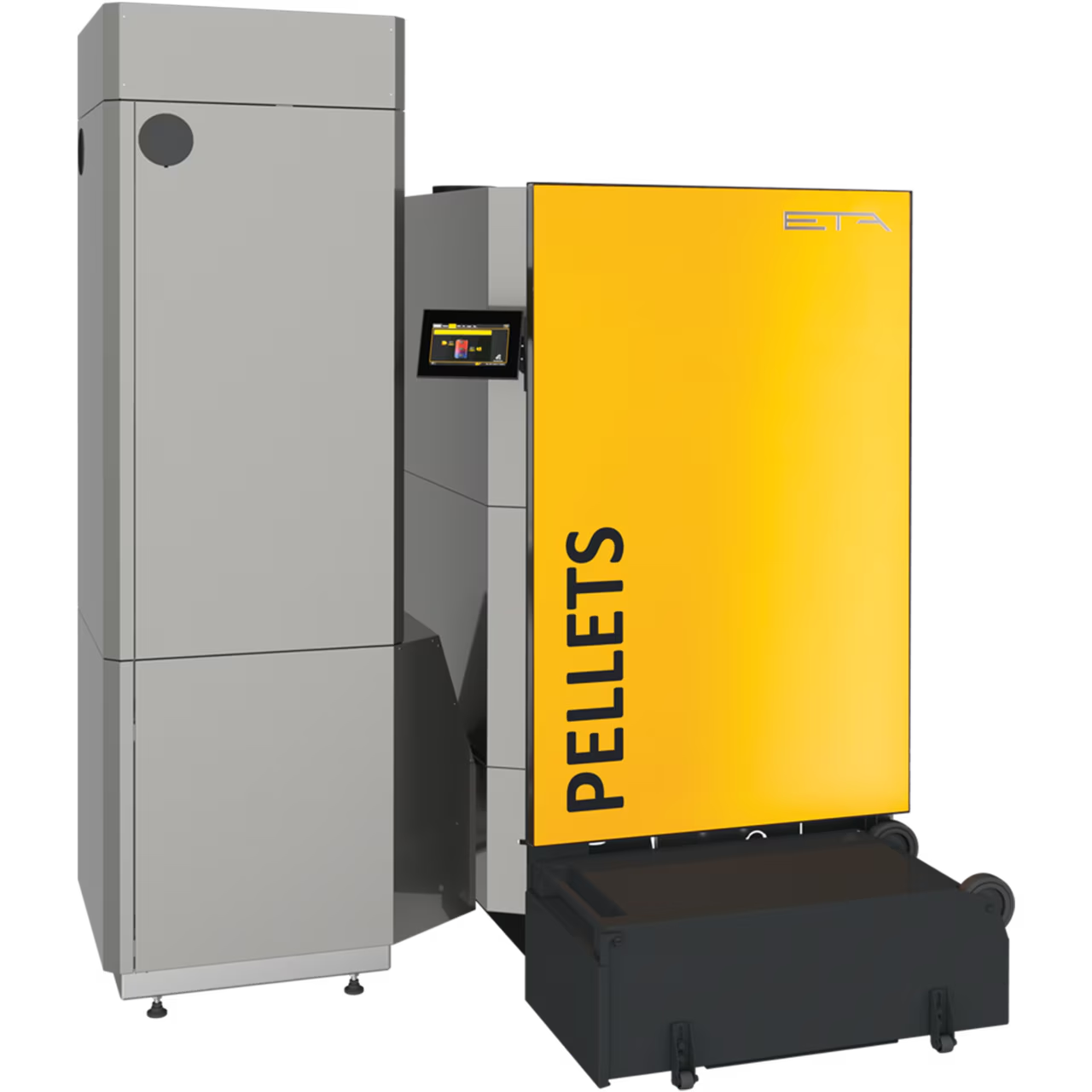
The need for heat in large apartment buildings and commercial spaces is often very high, as are the operating costs of heating and hot water – especially if fossil fuels are still being used. Switching to new technologies pays off, especially when it’s as easy as with ETA. The company based in Upper Austria and known for its high quality focused not only on new buildings but also on retrofit projects when developing the ETA ePE-K pellet boiler. This means that when replacing a boiler, there is usually no significant conversion and the existing situation can be optimally exploited. For example, a pellet boiler can be installed at a distance of up to 20 meters – for example, where the oil tank used to be.
High quality as standard
Even high heat requirements are not a problem for the ePE-K. Two, three or even more boilers can be installed in parallel. This modular or cascade design has been perfected by ETA, so it is not only very easy to transport into existing buildings, but also minimizes the necessary piping, buffer volume, pumping and installation work.
Everything is in control, no matter where you are
The heart of an efficient heating system is the control unit, which also allows the integration of a solar thermal system or a small local heating network. Thanks to the active control of all functions and remote maintenance via GSM and the Internet, the boiler is ideal for contract use. It ensures safe operation through active monitoring. Reliability is ensured by comprehensive measurement and feedback on a wide range of boiler data, such as the speed of the forced draft fan, the power consumption of the screw conveyor motors, the position of the choke, the residual oxygen in the flue gases, the increase in the return temperature, the temperature of the flue gases or the temperature of the heating water.