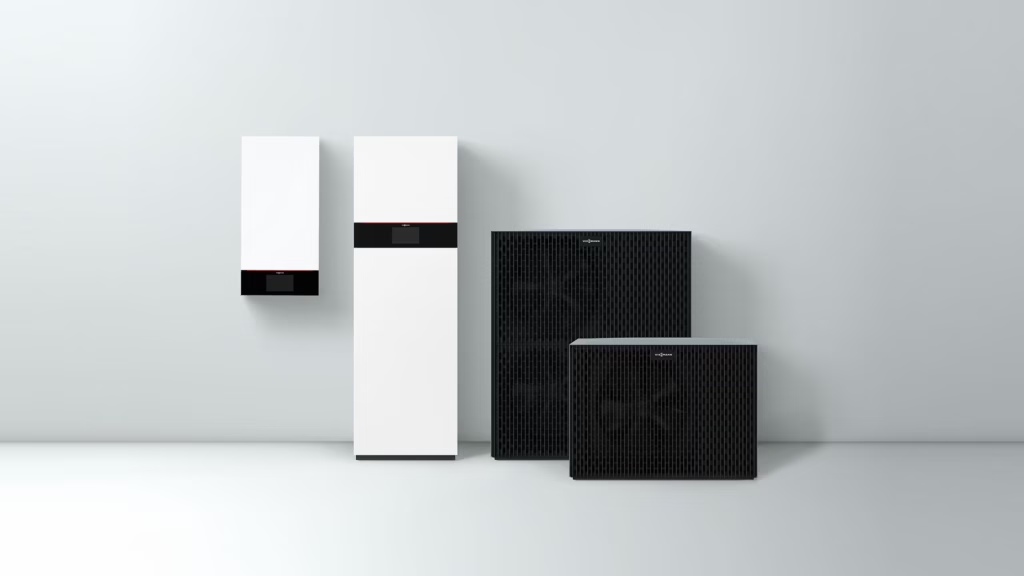

Viessmann Vitocal products not only provide heating, but can also be used to cool and supply the building with hot water. Instead, Vitocal uses free energy directly from the environment – whether it's ambient air, groundwater, or land. This not only saves resources, but also reduces carbon emissions.
In principle, Viessmann Vitocal heat pumps can be divided into five groups.
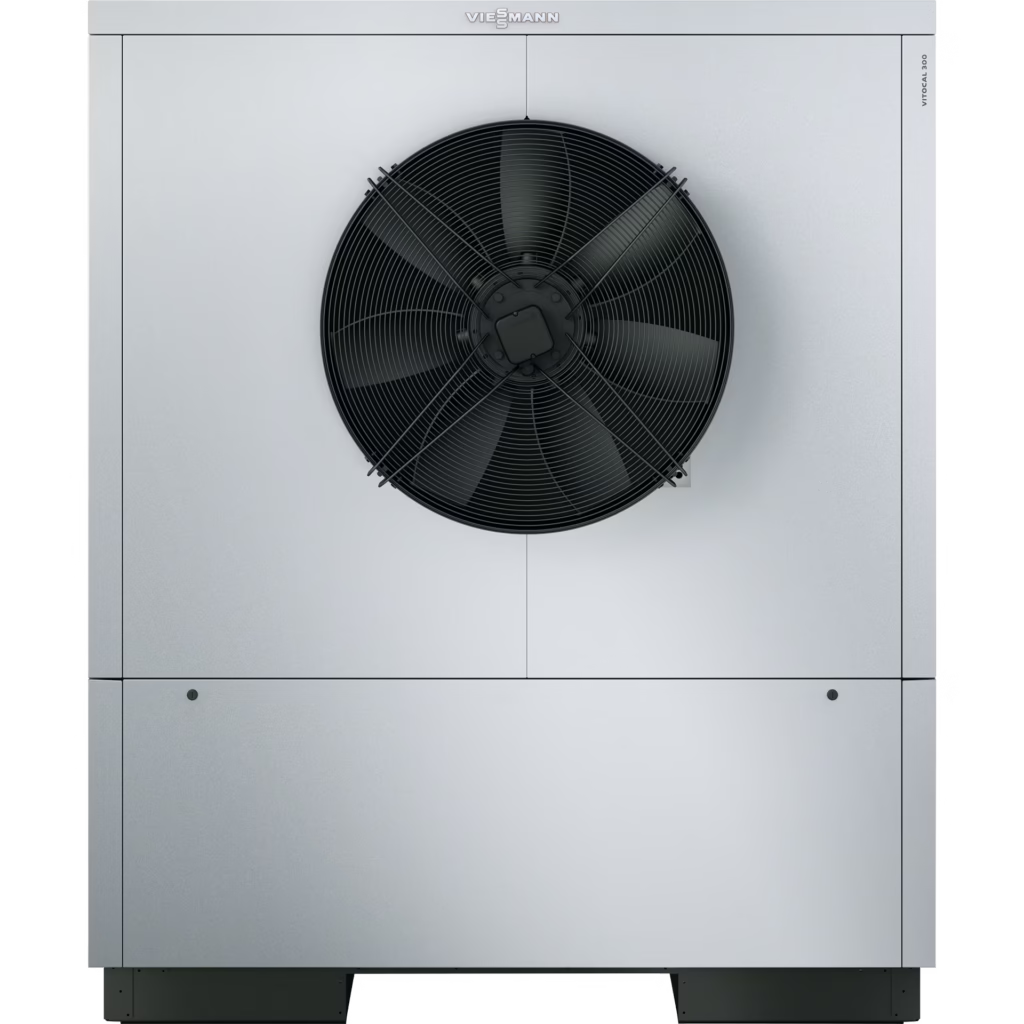
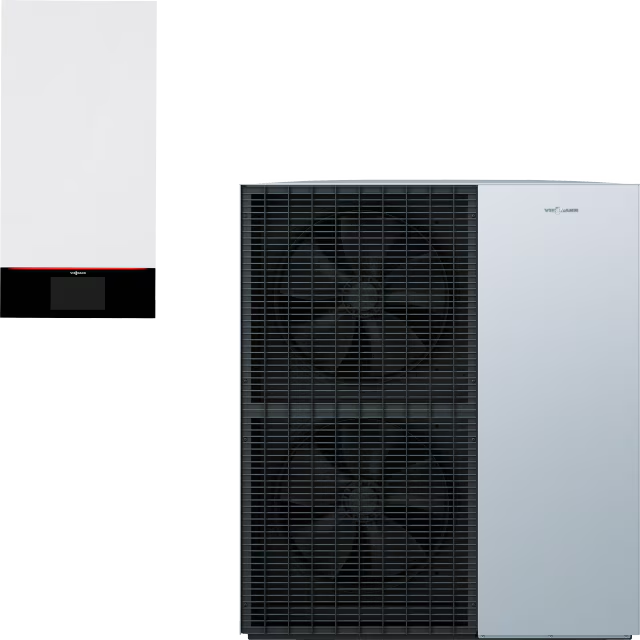
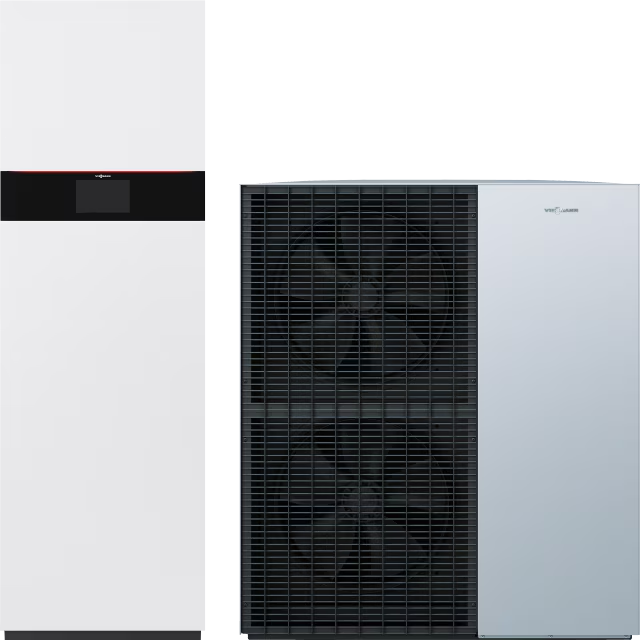
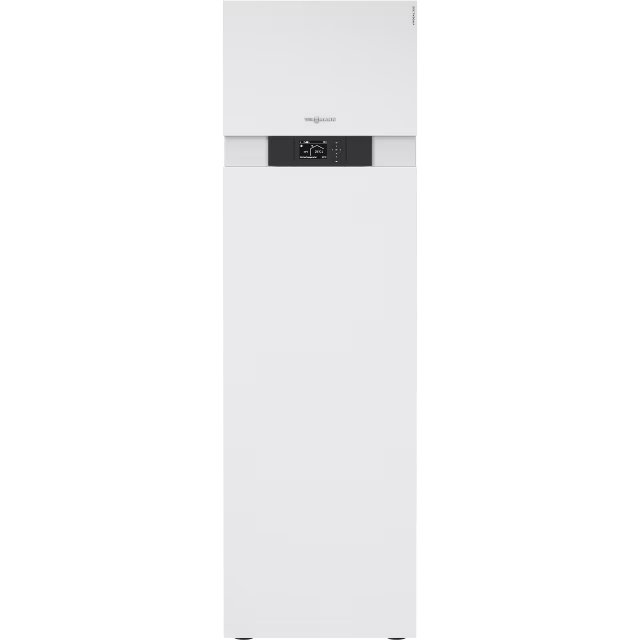
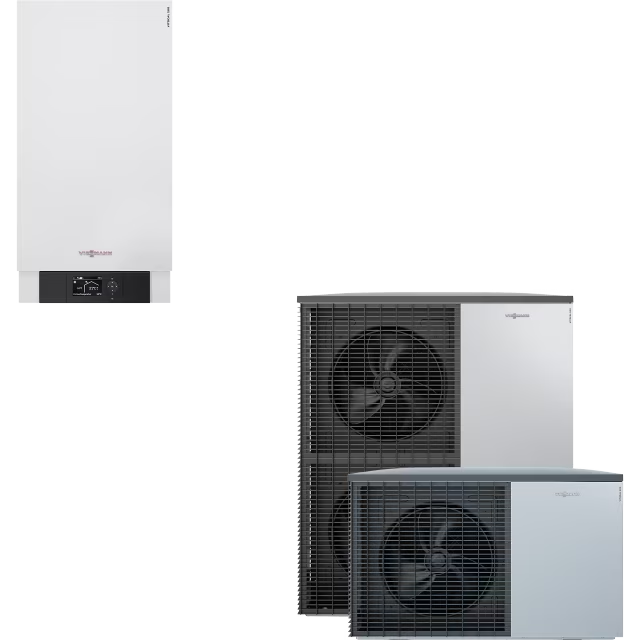
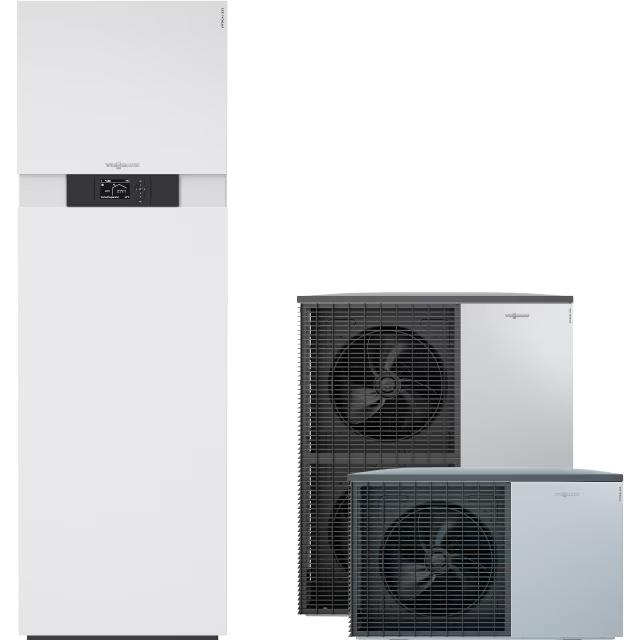
Viessmann Vitocal heat pumps are suitable for both new construction and retrofits. The Vitocal 250-A model with a flow temperature of up to 70 °C has been specially developed for retrofit projects. Existing radiators can continue to be used. Underfloor heating is not necessary. High energy efficiency, convenient operation via app, stable operation and attractive design are all convincing characteristics.
Control via app, noise level, pump - the following videos answer the most frequently asked questions about the latest generation of Vitocal.
Viessmann heat pumps can be combined with existing heating systems that run on fuel oil or gas. Already installed boilers should cover peak loads. The rest of the time, Vitocal heat pumps provide heating and hot water. Vitocal heat pumps can also be combined with a photovoltaic system. Self-generated electricity is used to power the heat pump. This is because in addition to the ambient energy (about three-quarters), about one-quarter of the electricity must be supplied in order for the heat pump to be able to convert the ambient energy into usable heat. With the special function of Vitocal, the refrigerant that serves as the heat transfer medium must be compressed at the same time and then expanded again. Compressors and expansion valves are used for this purpose. They require electrical energy. You can find out more about how it works here: How a heat pump works.
In addition to heating and hot water, Vitocal heat pumps can also provide cooling. It is necessary to distinguish between natural and active cooling. In the first case, brine or groundwater takes heat from the heating circuit through a heat exchanger. This heat is transferred to the street. The natural ambient temperature is then used for cooling. It should be emphasized that only the circulation pump and the control unit remain on during this process. All Viessmann brine/water heat pumps use this form of cooling. The built-in cooling function requires additional hardware: the NC-Box. The NC-Box is equipped with a mixer for integration into the cooling circuit. This ensures continuous operation without dropping the temperature below the dew point.
Another option is active cooling. In this case, the function of the heat pump is reversed. In this case, Vitocal works as a refrigerator. In addition to the Vitocal 200-S and Vitocal 222-S heat pumps, the 200-A and 222-A split systems are also equipped with a loop reversing function.
Both cooling options are combined using the Viessmann AC-Box, which can be used to expand the Vitocal 300-G brine/water heat pump.
All Viessmann Vitocal heat pumps are extremely quiet, low vibration and require little maintenance. In addition, they have an impressively high efficiency (COP). It characterizes the ratio of heat transfer to power consumption. The higher this value, the more efficient the heat pump is.
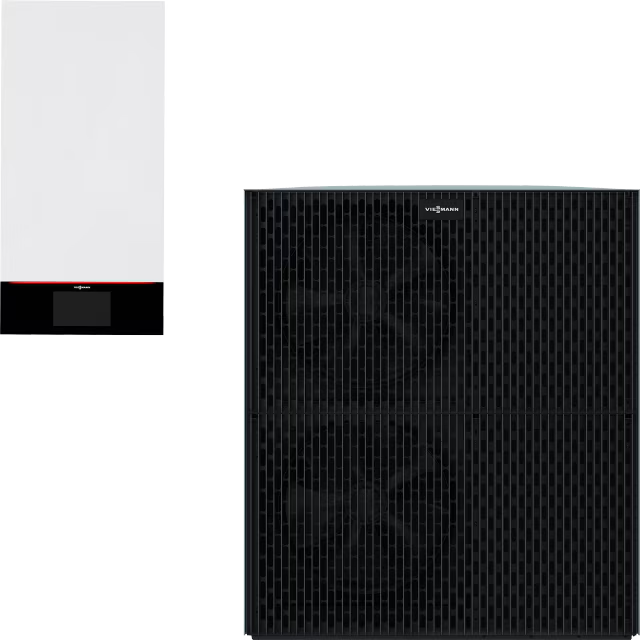
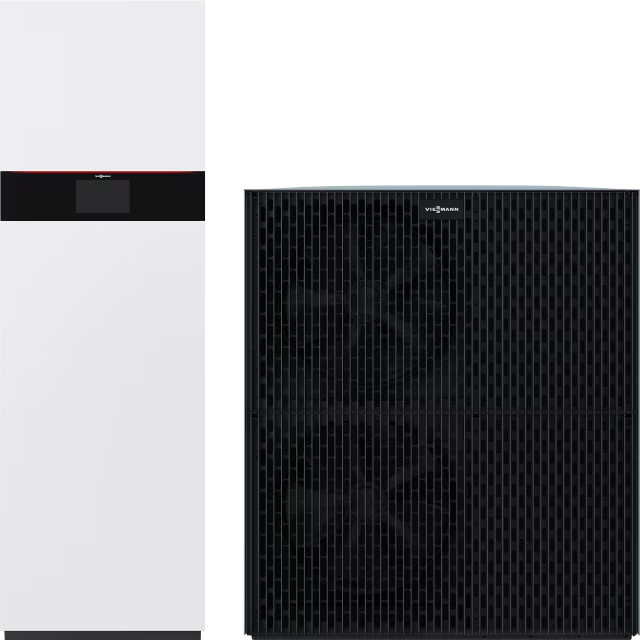
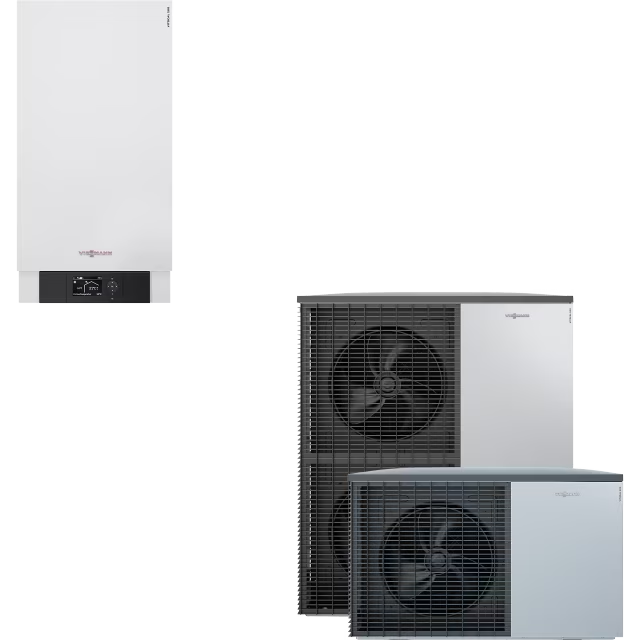
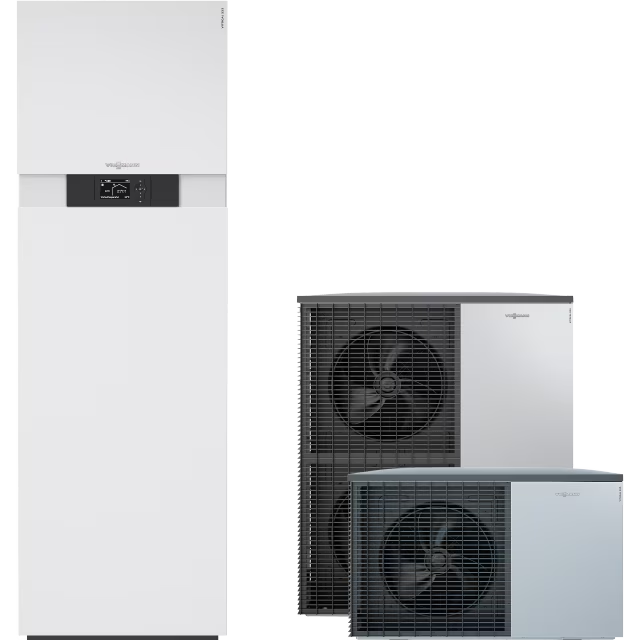
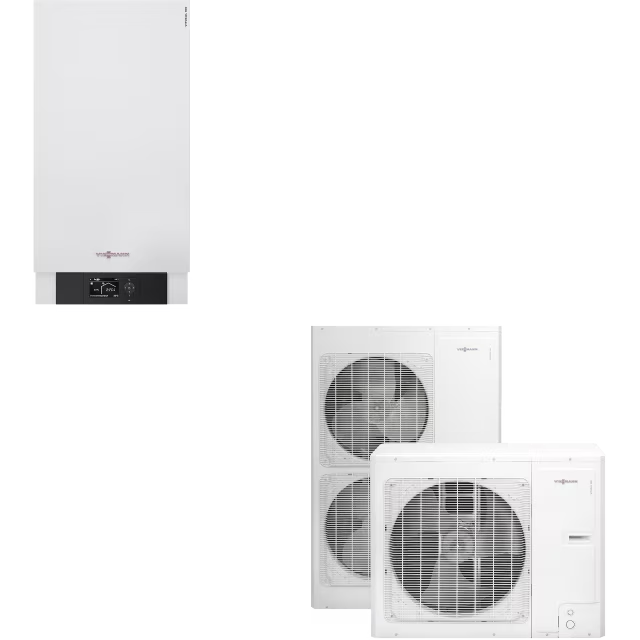
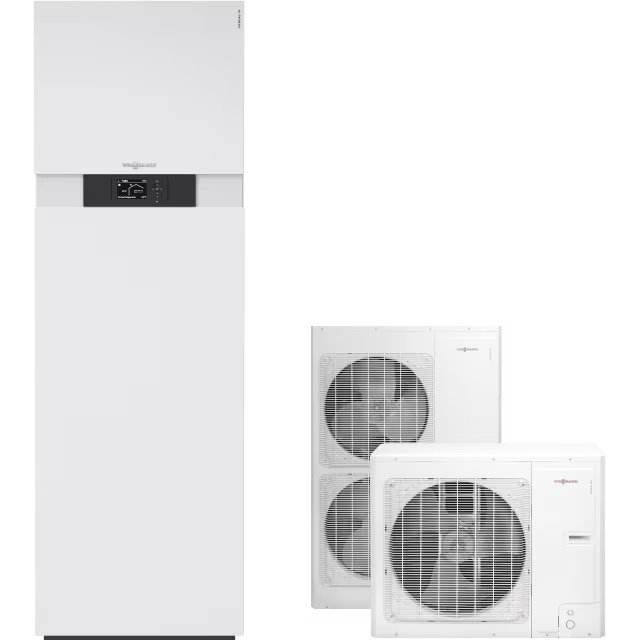
Vitocal products operate silently thanks to the device's design optimized for noise levels and low vibration. The Vitocal 200-S and 222-S split heat pumps feature extremely quiet indoor units. In these two models, the refrigerant circuit is divided between two units. The evaporator and compressor are located in the outdoor unit. A capacitor, on the other hand, is located in an indoor unit.
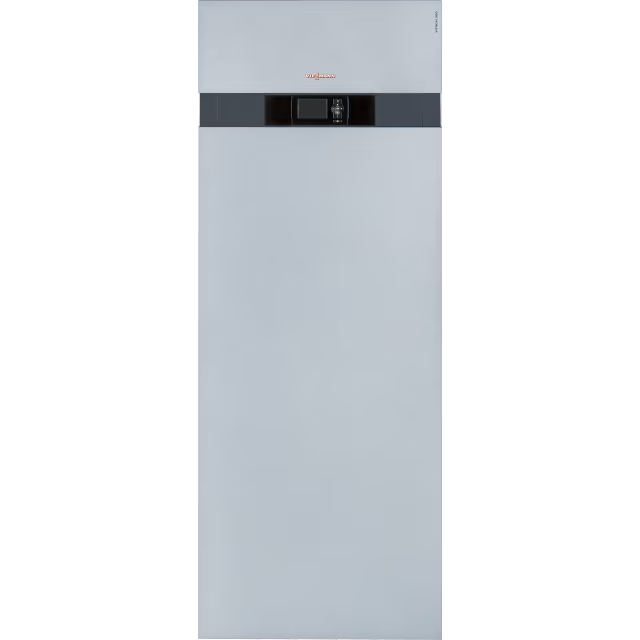
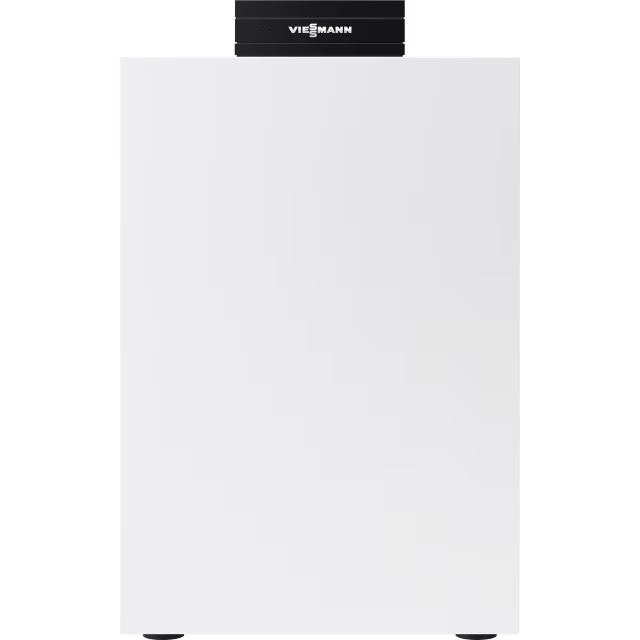
In addition, many models can be installed next to a living space, as they do not take up much space. This, in particular, distinguishes the compact units Vitocal 333-G and 222-G. The area of the former, for example, is less than half a square meter.
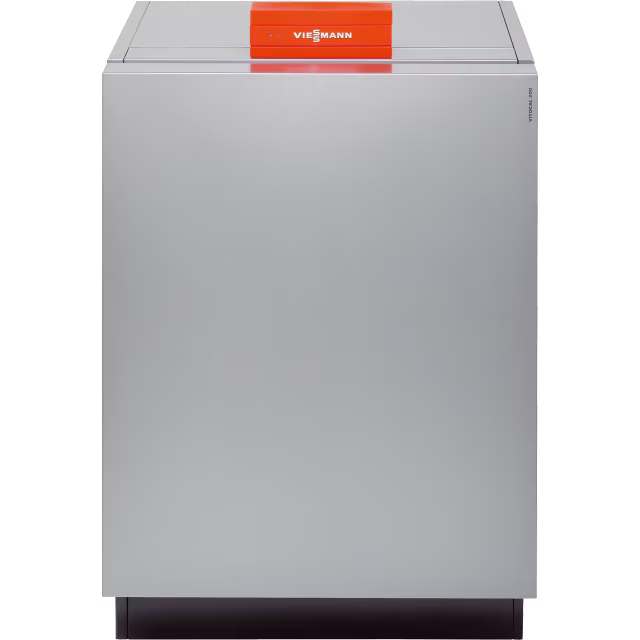
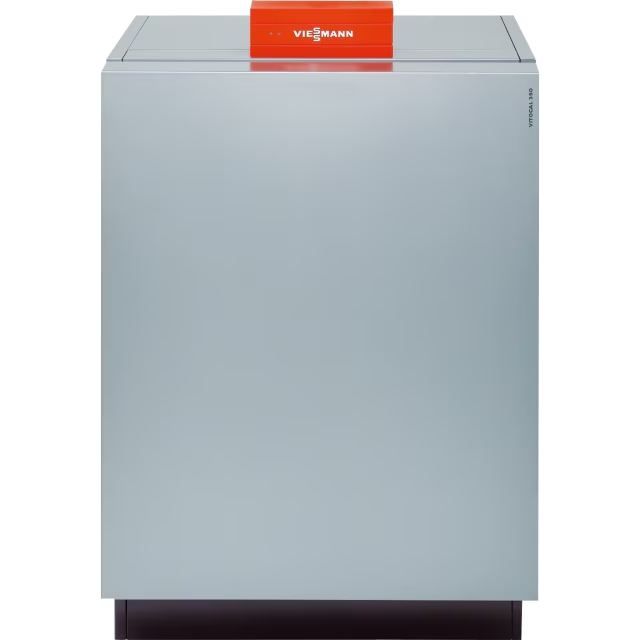
Vitocal heat pumps offer flexible application options thanks to different power levels and modulated operating modes. This means that they are not only suitable for newly built detached homes, but also for apartment buildings or even small commercial spaces. Vitocal 350-G high-temperature heat pumps are ideal for large existing buildings equipped with radiator heating systems. This is because they provide a high flow temperature of up to 70 degrees Celsius. Accordingly, they can also be used very effectively in the modernization of detached houses and apartment buildings.
It is also possible to increase the heating and cooling capacity by creating a so-called cascade. This means that several Vitocal heat pumps of the same model series can be connected in series. For example, up to 589 kW of power can be achieved with the Vitocal 300-G using the built-in cascade function.
For larger residential or apartment buildings, large Viessmann heat pumps can be installed. For example, the Vitocal 300-G/-W Pro reaches a power of 240 or 290 kW. If several such models are combined into a cascade, you can get a power of up to 1450 kW. Therefore, they are also suitable for commercial enterprises and local government premises.
| Heat pump | Type | Built-in DHW cylinder | Application | Cooling | ||||||||
|---|---|---|---|---|---|---|---|---|---|---|---|---|
|
Vitocal 250-A |
All-in-one |
No |
Detached houses, modernization projects |
AC |
||||||||
|
Vitocal 252-A |
All-in-one |
Yes |
Detached houses, modernization projects |
AC |
||||||||
|
Vitocal 150-A |
All-in-one |
No |
Detached houses, modernization projects |
AC |
||||||||
|
Vitocal 151-A |
All-in-one |
Yes |
Detached houses, modernization projects |
AC |
||||||||
|
Vitocal 200-S |
Split |
No |
Detached houses, new construction |
AC |
||||||||
|
Vitocal 222-S |
Split |
Yes |
Detached houses, new construction |
AC |
||||||||
|
Vitocal 350-A |
Monobloc indoor installation,
monobloc outdoor installation |
No |
Detached houses, modernization projects |
– |
||||||||
|
Vitocal 200-A |
Monobloc indoor installation |
No |
Detached houses, new construction |
AC |
||||||||
|
Vitocal 200-A |
Monobloc outdoor installation |
No |
Detached houses, new construction |
AC |
||||||||
|
Vitocal 222-A |
Monobloc outdoor installation |
Yes |
Detached houses, new construction |
AC |
||||||||
|
Vitocal 262-A |
Monobloc indoor installation |
Yes, for T2E/T2H types |
Detached houses, new construction and modernization projects |
— |
||||||||
| Heat pump | Type | Built-in DHW cylinder | Application | Cooling | ||||||||
|---|---|---|---|---|---|---|---|---|---|---|---|---|
|
Vitocal 333-G |
Ground |
Yes |
Detached houses, |
NC+ |
||||||||
|
Vitocal 222-G |
Land-based, Ice Shop |
Yes |
Detached houses |
NC+ |
||||||||
|
Vitocal 300-G |
Land, Water*, Ice Shop |
No |
Detached houses, apartment buildings |
NC+,AC+ |
||||||||
|
Vitocal 200-G |
Ground |
No |
Detached houses, apartment buildings |
NC+ |
||||||||
|
Vitocal 350-G |
Soil, water* |
No |
Apartment buildings, commercial enterprises, high temperature |
NC+ |
||||||||
|
Vitocal 300-G |
Soil, water* |
No |
Apartment buildings, commercial enterprises |
NC+ |
||||||||
|
+ Additional equipment required |
||||||||||||
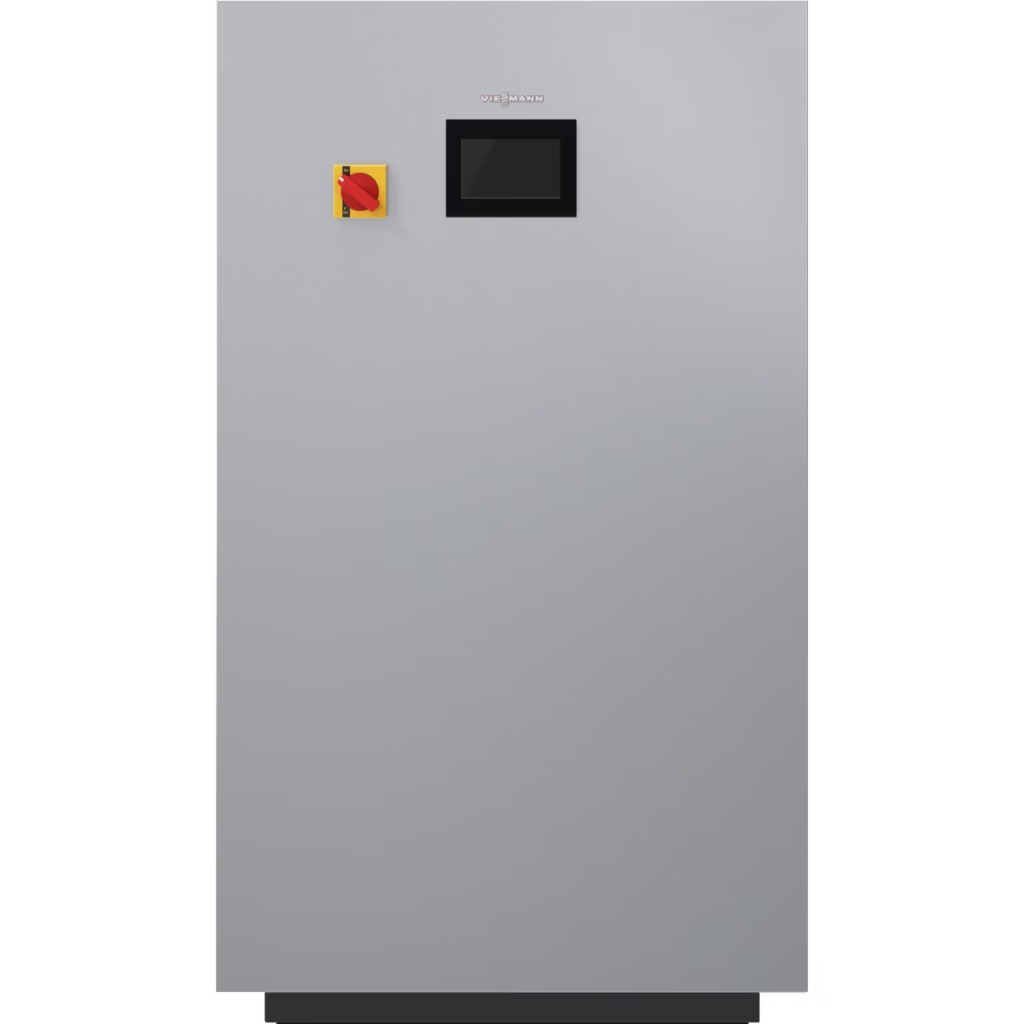
Heating using environmental energy is becoming more and more popular. This is confirmed by statistics showing that more and more people want to purchase a heat pump. Find out here what to consider when buying.
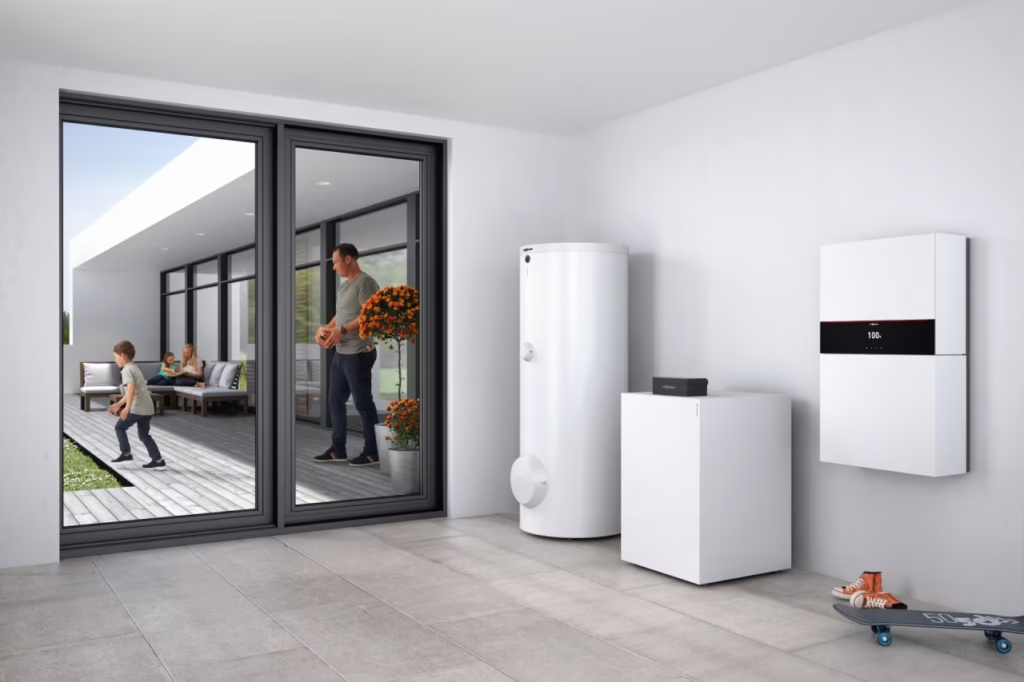
A heat pump extracts heat from the environment and converts it into usable energy for heating and hot water. In order for it to work economically in new and old buildings, there are a few things to consider.
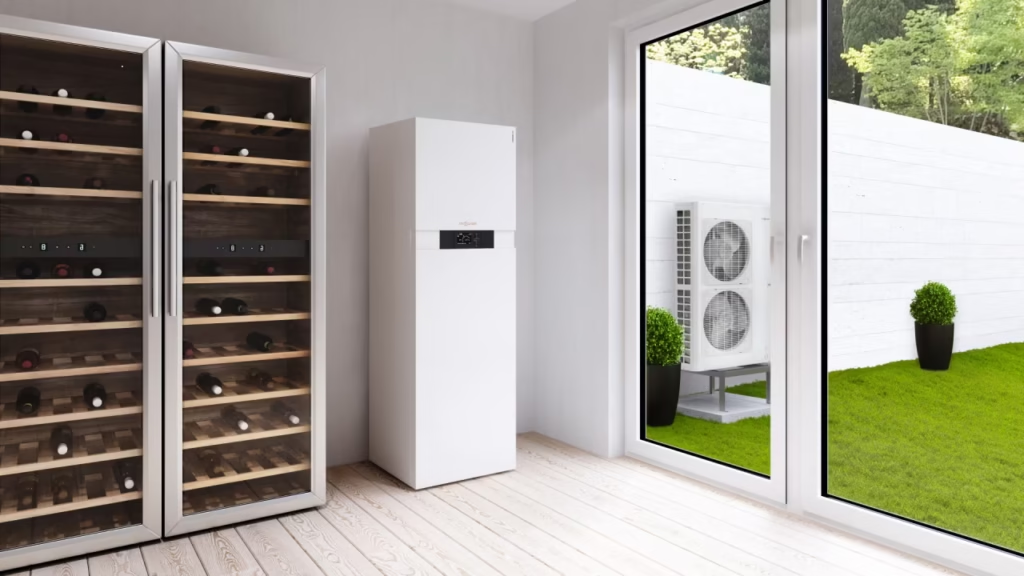
Upgrading your heating system is an effective measure if you pay attention to some important points. Learn everything you need to know about planning and costs here.
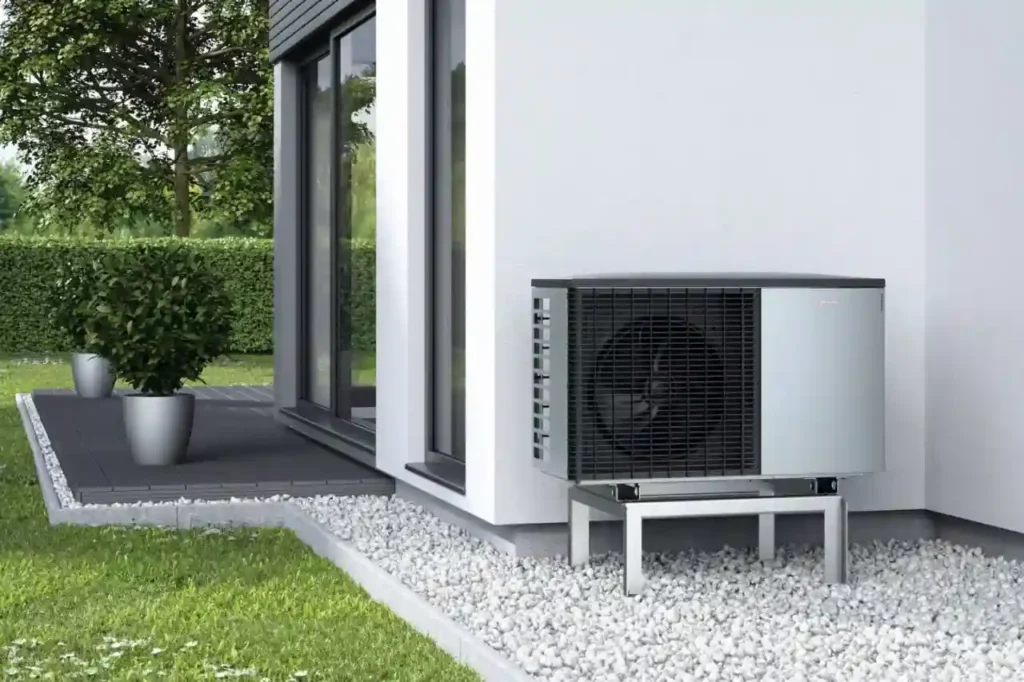
A heat pump provides heating in an environmentally responsible and efficient way. You can find out more about the types, benefits and subsidies as well as the Viessmann product range here.

Whether it's air, brine, or water, a heat pump extracts heat from the environment and uses it to heat and heat hot water. Read here in detail about how a heat pump works.
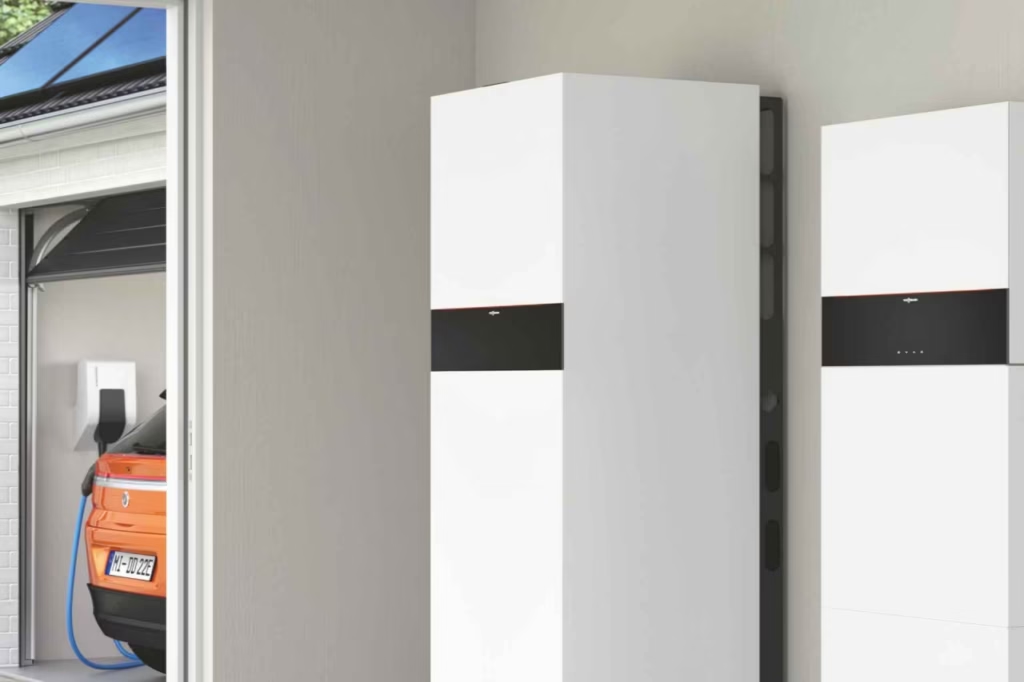
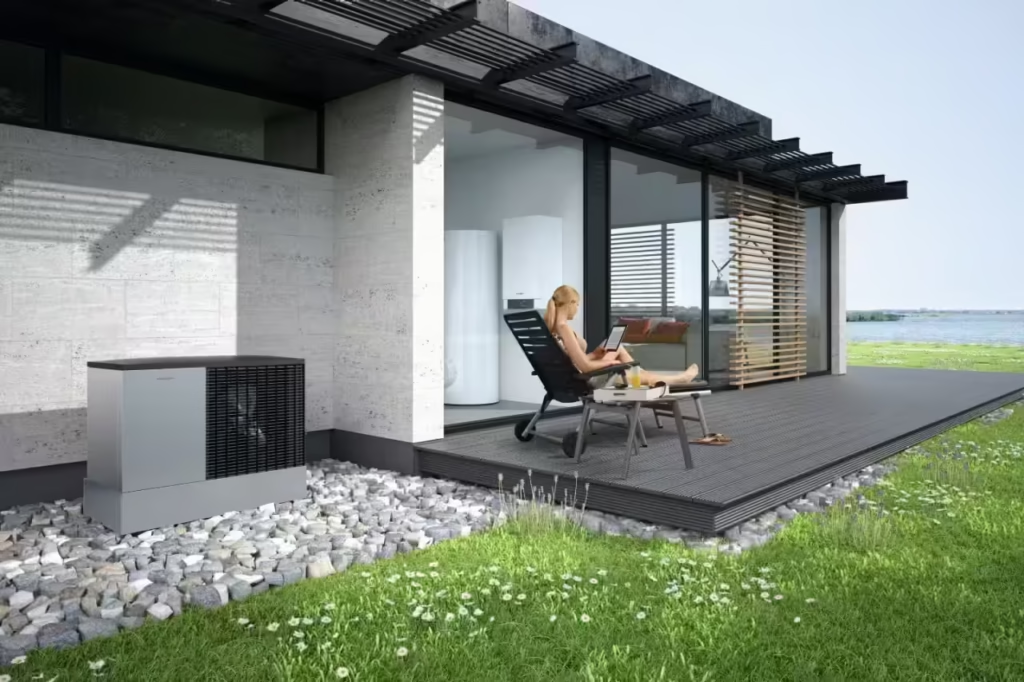
If you combine a heat pump with photovoltaic installations, you increase the share of renewable energy. You gain greater independence from suppliers and reduce your energy costs. (Photo: © Viessmann)