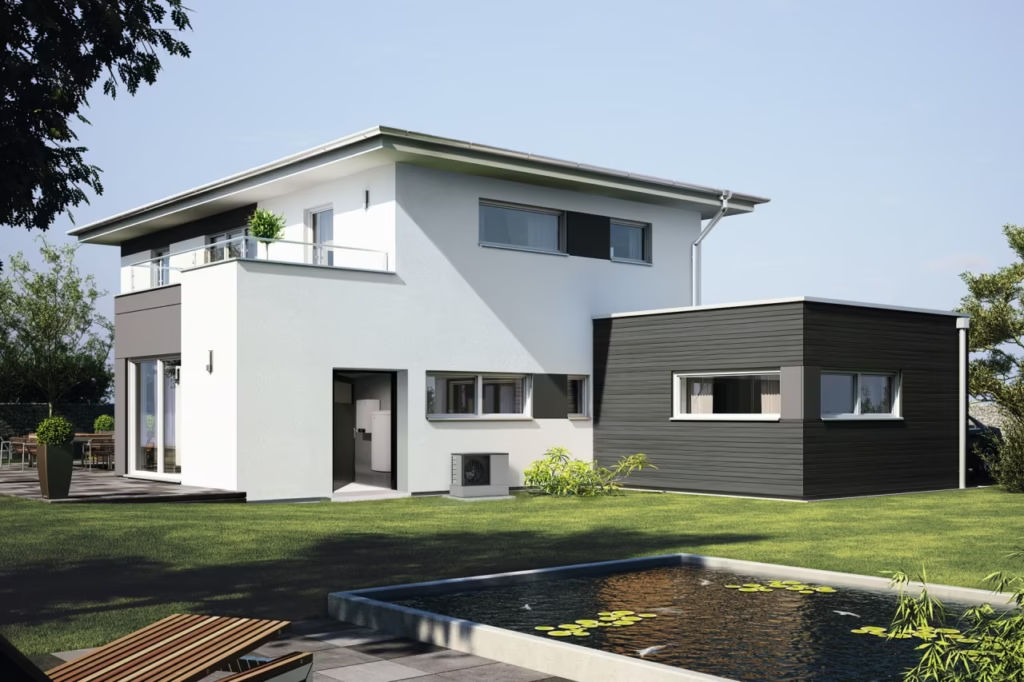
Controlled mechanical ventilation not only ensures consistently high indoor air quality in new and existing buildings, but also helps keep you healthy and the building's fabrics in good working order. This is because ventilation systems remove excess moisture to the outside, preventing the formation of harmful mold. In addition to unpleasant odors, pathogens can also be removed thanks to the constant air exchange. This is especially beneficial during cold and flu season. Furthermore, ventilation systems provide ample amounts of clean, fresh air to living spaces. And thanks to built-in filters, dust and pollen are kept outside. This is especially beneficial for allergy sufferers. Another advantage: since there is no need to open windows to ventilate the rooms, outside noise is less noticeable and heat is not lost. This helps save energy.
The advantages of controlled mechanical ventilation in brief:
Prevents mold formation
Removes odors and pathogens
Ensures high air quality in ventilated areas
Does not allow dust and pollen to pass through
Saving energy through efficient use of heat
Ventilation and heat generator as a system solution
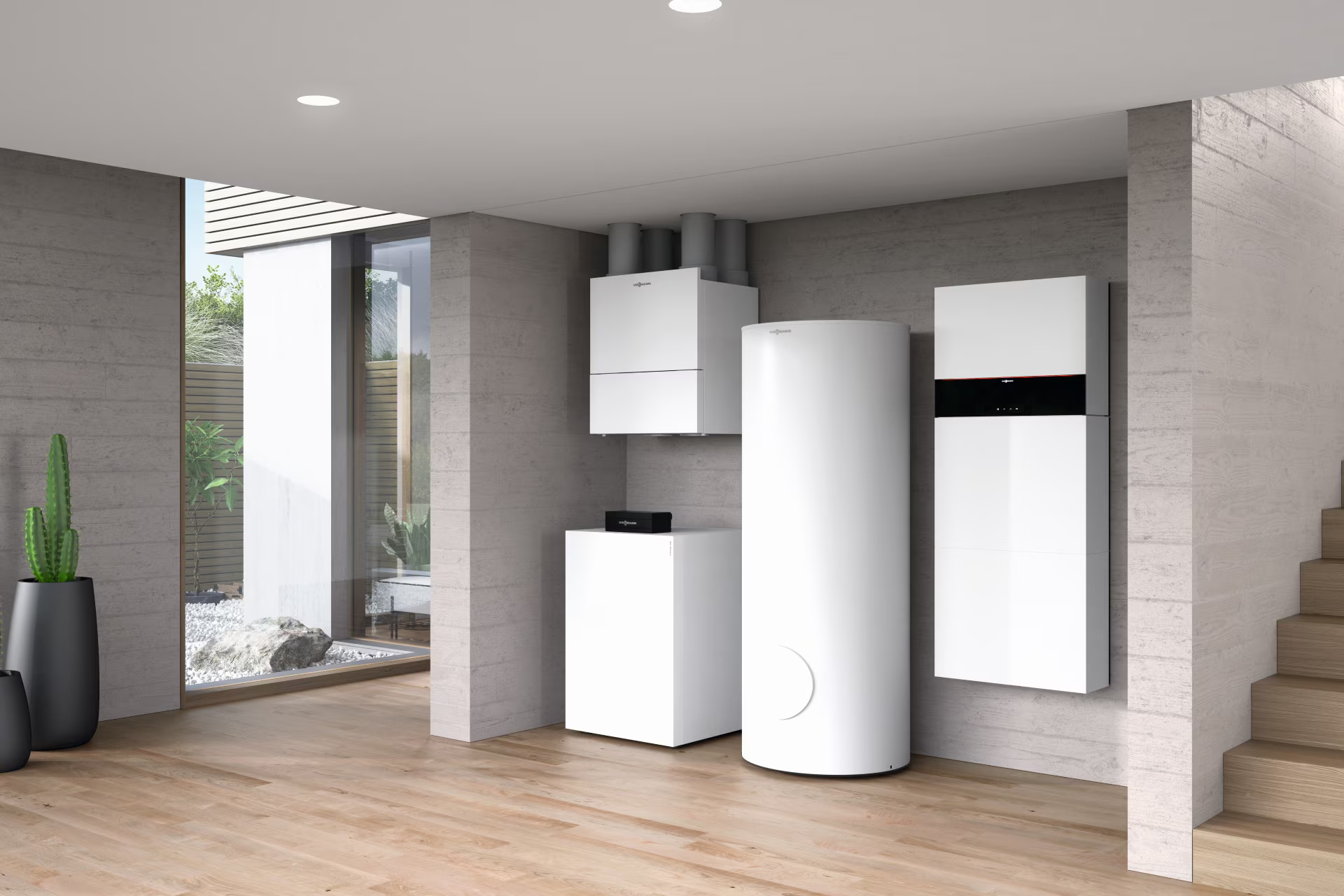
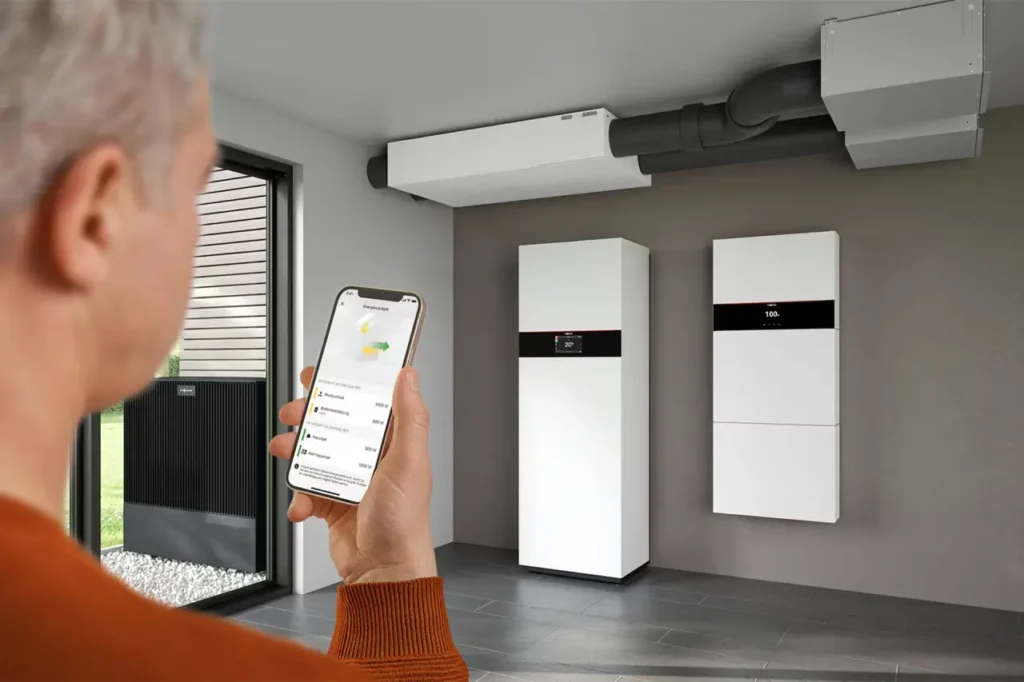
Vitovent 300-W central ventilation system with Vitocal 300-G heat pump and Vitocharge VX3 energy storage unit
If cold outside air enters a room when a window is opened, the heating system has to work harder. This is energy inefficient and increases heating costs. Ventilation systems with heat recovery extract heat from the warmer exhaust air and transfer it to the incoming fresh air. This significantly reduces the heat requirement for ventilation. Thus, ventilation and heating in residential spaces are closely linked. Viessmann takes this into account in its Vitovent product range : on the one hand, with integrated heat exchangers for heat recovery, and on the other, with the ability to create efficient system solutions. For example, the Vitovent 300-W ventilation system can be combined with a Vitocal heat pump. The system is conveniently controlled via smartphone using the ViCare app . The energy management function, accessible via the app, allows you to monitor energy flows in the home in real time to identify and utilize potential savings.
Choose the right ventilation system
A distinction is generally made between centralized and decentralized ventilation systems. Both systems offer their advantages depending on the design features of the residential building. Centralized systems consist of a ventilation unit that supplies fresh air to all rooms of the building through an air distribution system. Since such a ventilation system is typically integrated into the ceiling or floor structure, it is primarily used in new buildings and major renovations. Decentralized ventilation units can be installed without significant construction work. They are used for specific ventilation of individual rooms and are therefore well suited for existing buildings and individual extensions. An experienced installer will understand the available mechanical ventilation options for your specific situation and how to implement them. Your installer will help you choose the right system and will also provide support during design and installation.
If you'd like to learn more about Viessmann ventilation systems before contacting our partners, we recommend reviewing our product catalog . It allows you to easily narrow your product range based on your application. Searching in the Viessmann product search engine provides even more detailed results.
Central ventilation of residential buildings
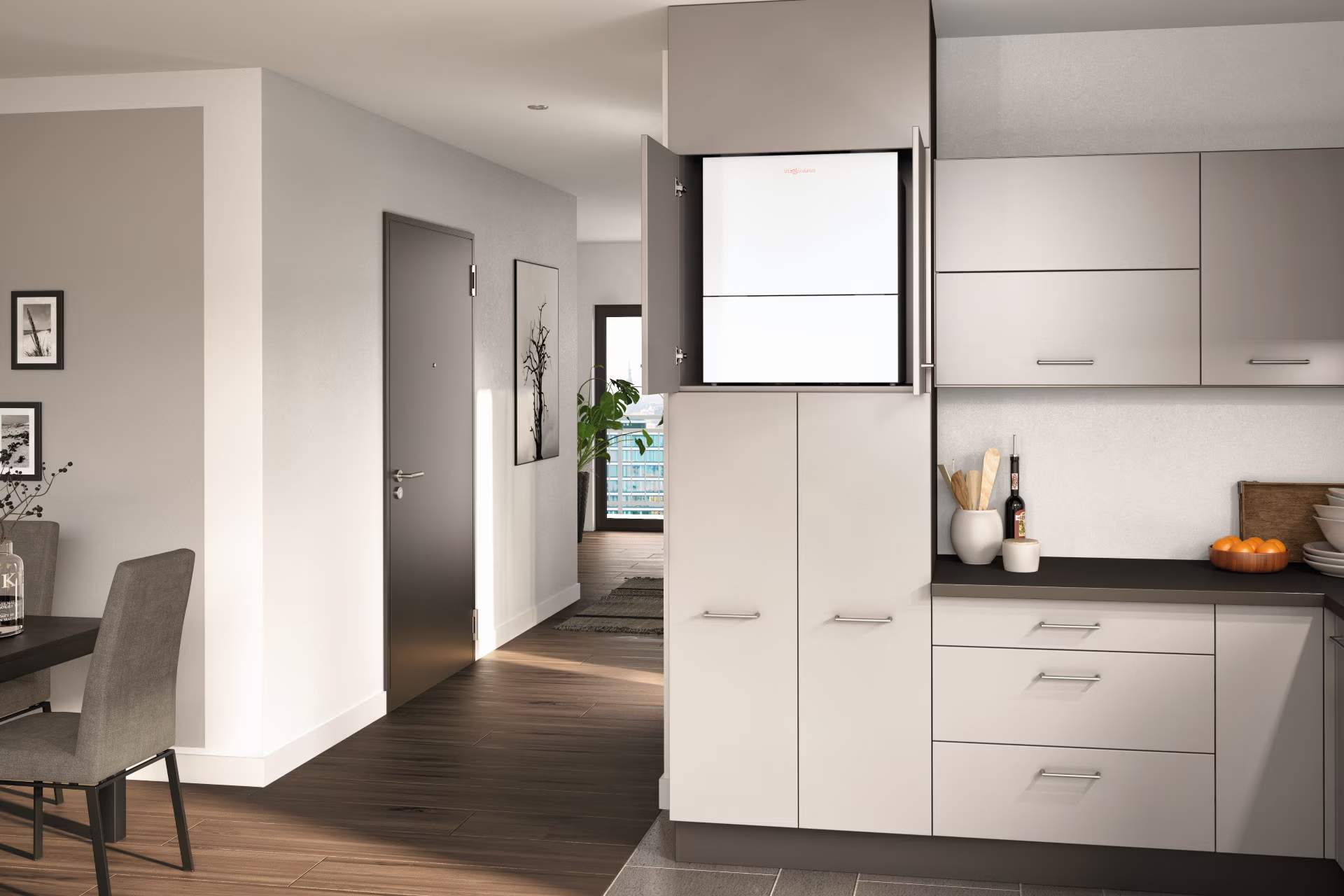
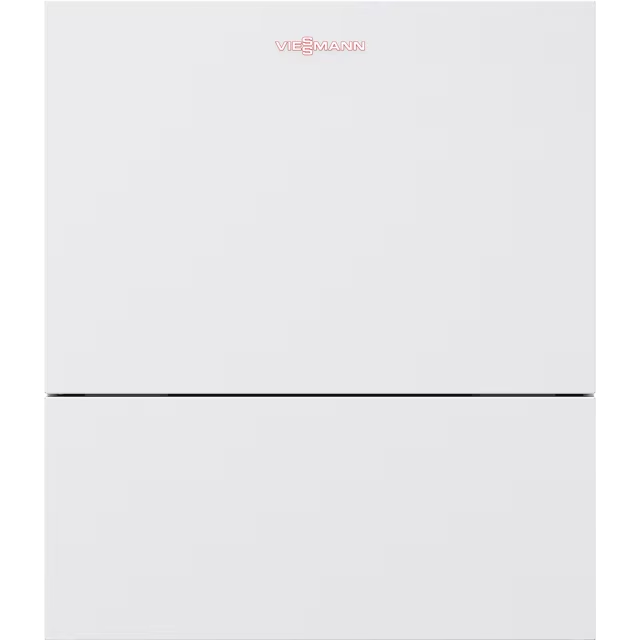
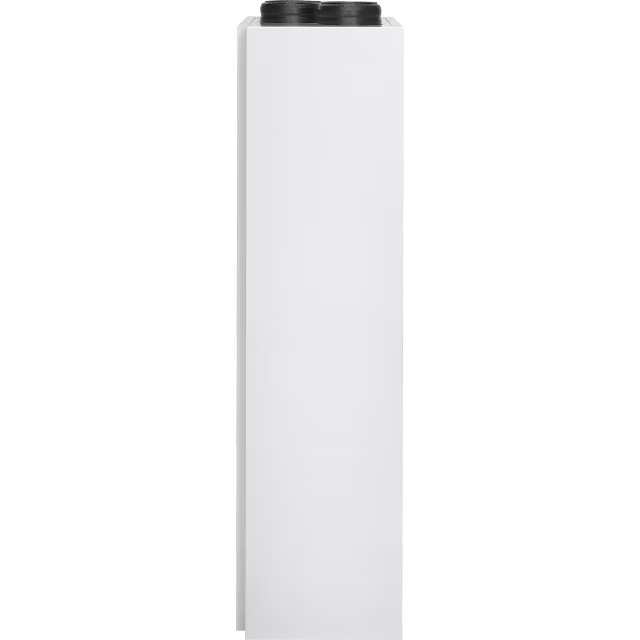
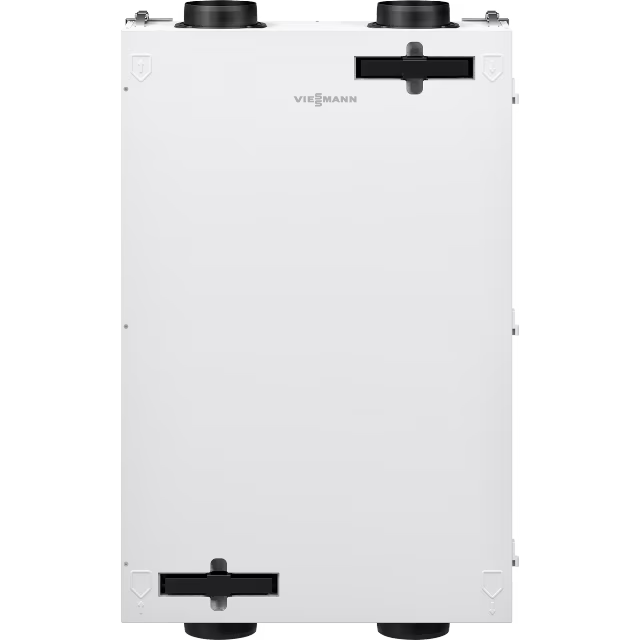
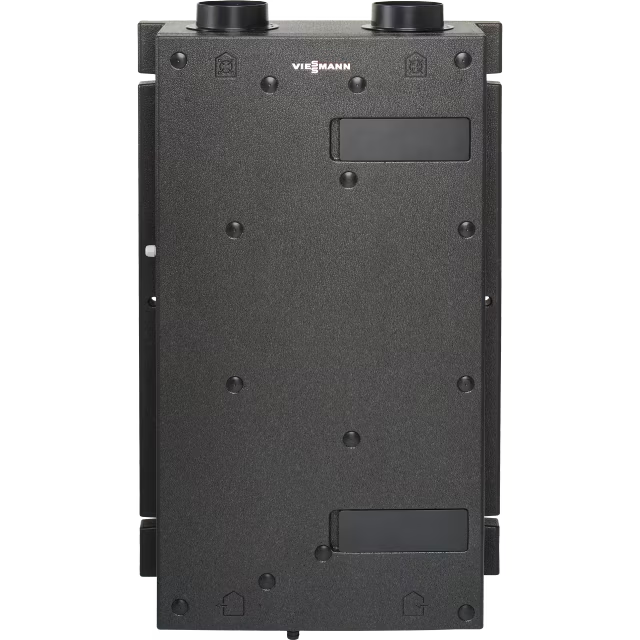
Vitovent 300-W central mechanical ventilation system
The need for an air distribution system increases the design and installation costs of a central mechanical ventilation system . However, it is particularly practical for new buildings and complete renovations of existing buildings:
Decentralized ventilation of residential buildings
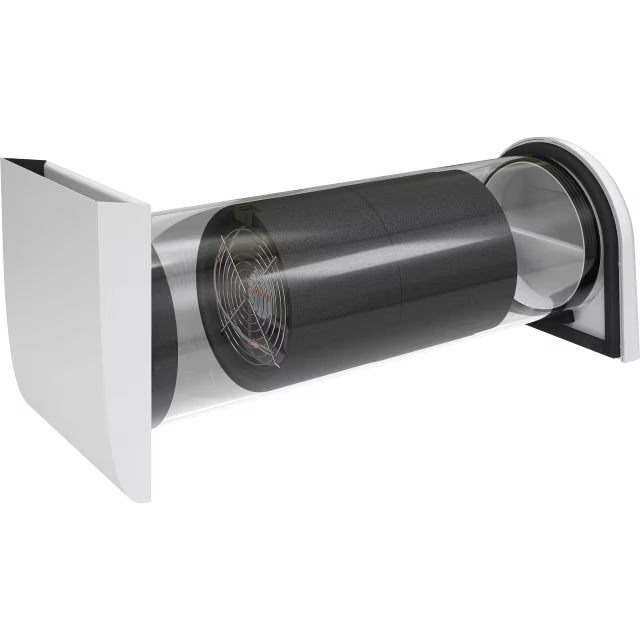
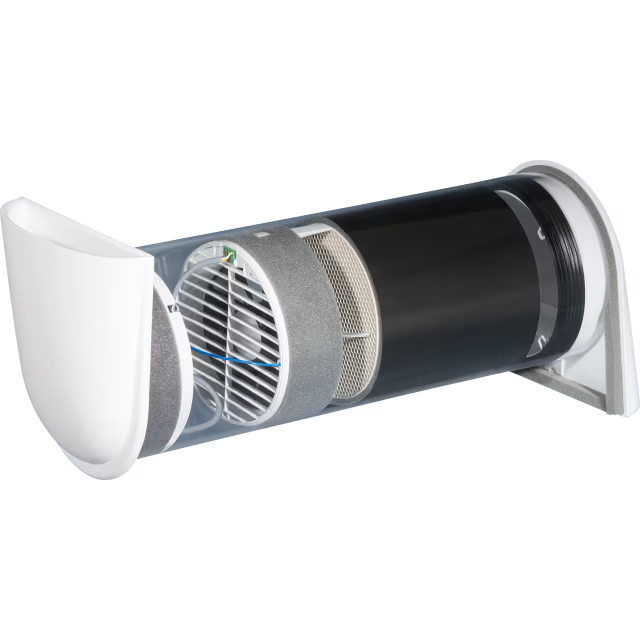
Decentralized mechanical ventilation unit Vitovent 100-D
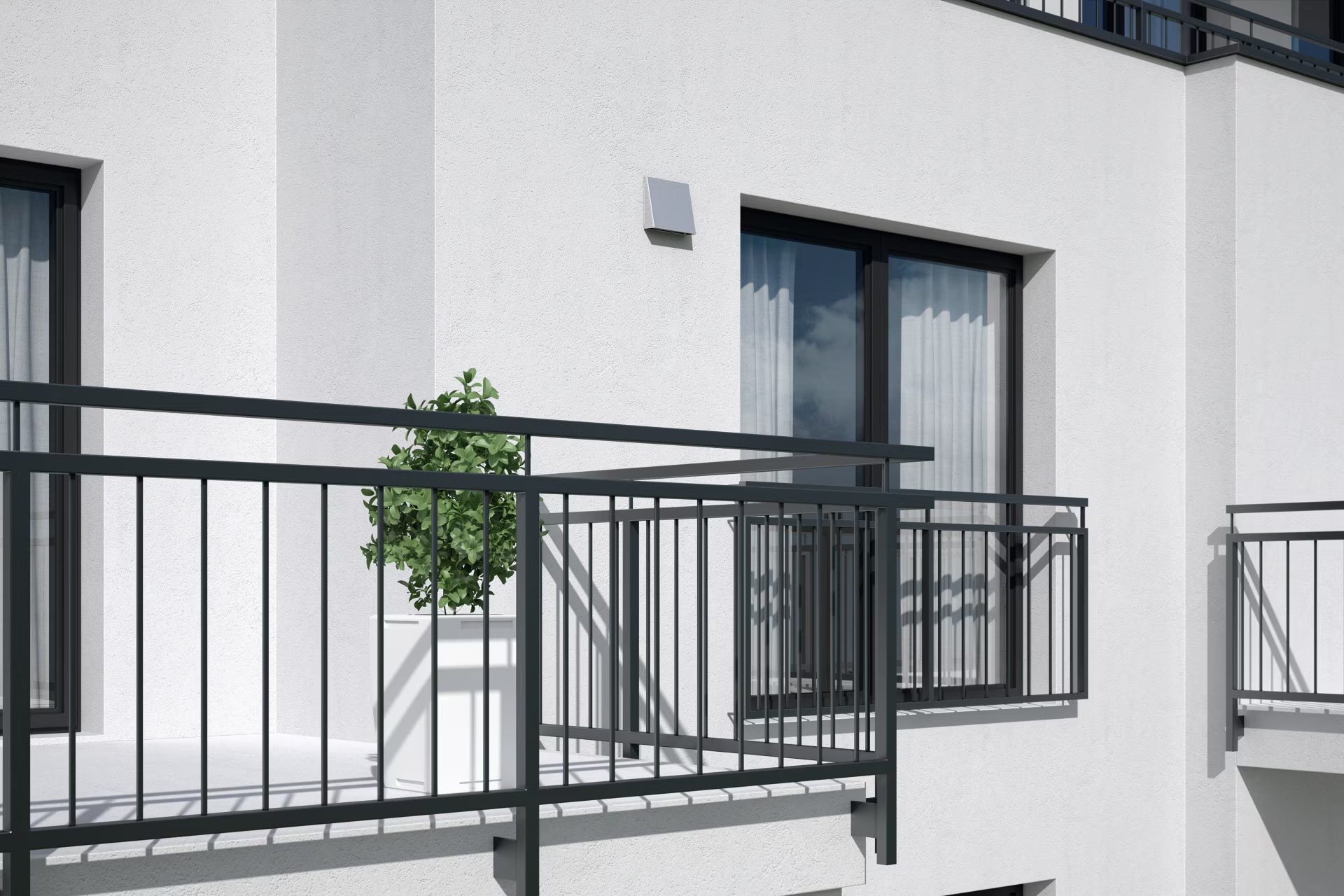
Installing a decentralized mechanical ventilation system requires only drilling into the exterior wall. This also opens up a wide range of future applications. Additional benefits for homeowners include:
Digitalization and the energy transition also present challenges for Viessmann. But at the same time, they represent the greatest opportunities in our company's history, which spans over 100 years. One thing is certain: together with our partners, we are making the most of them.
Heating, cooling, ventilation, and power generation in new buildings – which solutions and systems are suitable, and what do you need to know? Read more here.