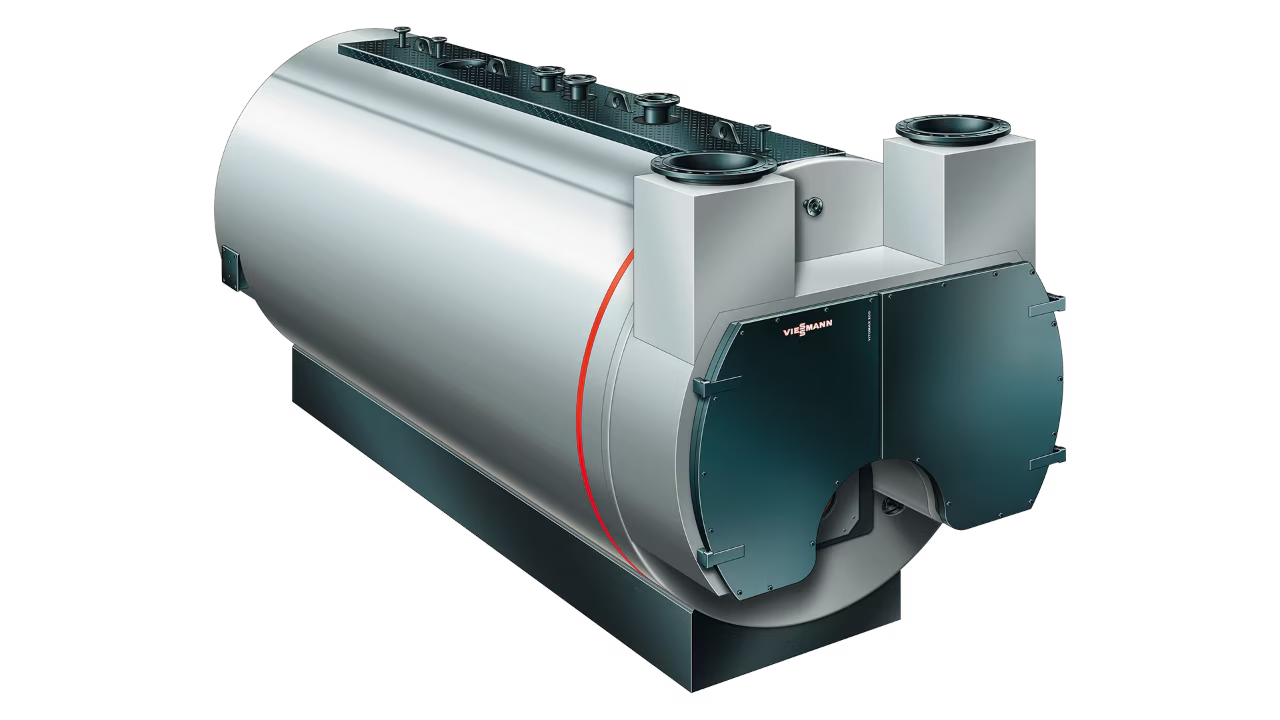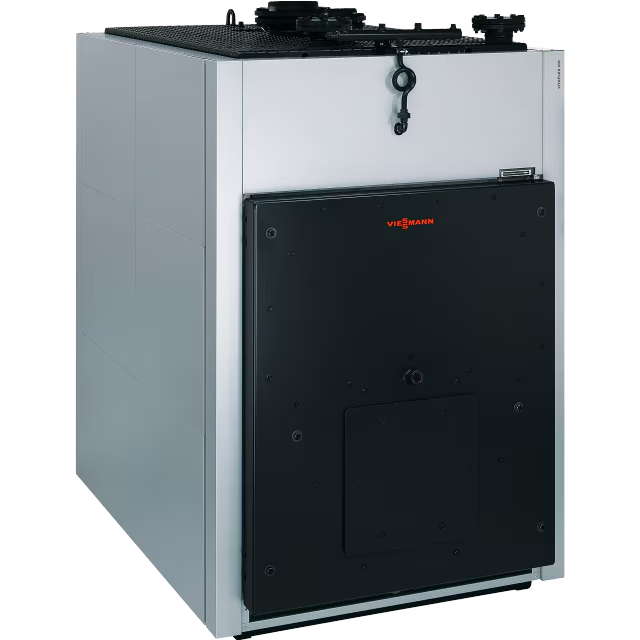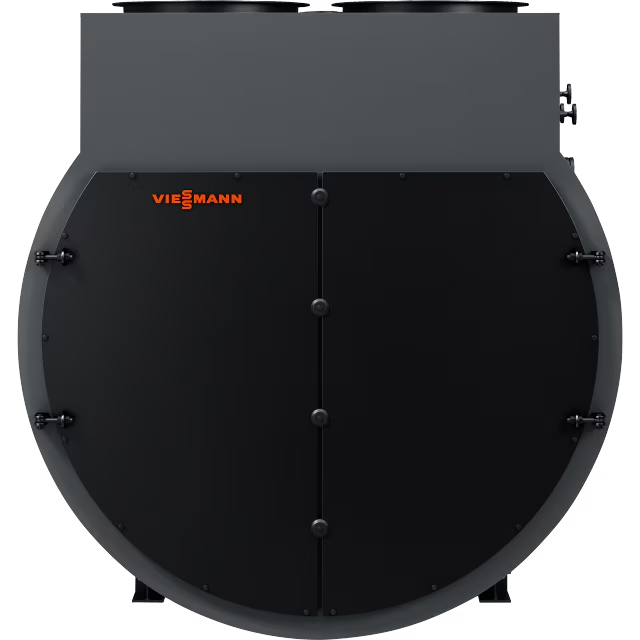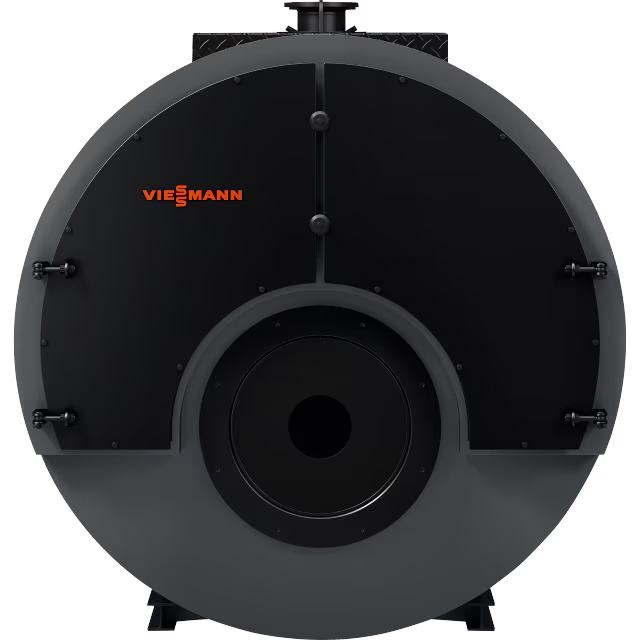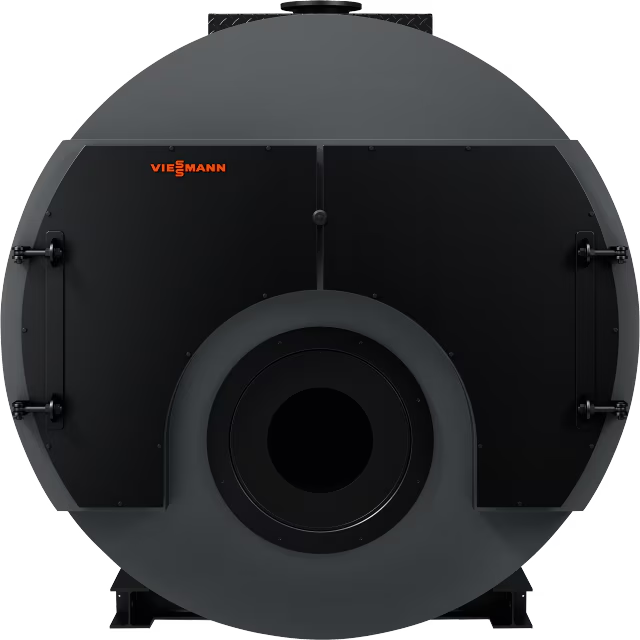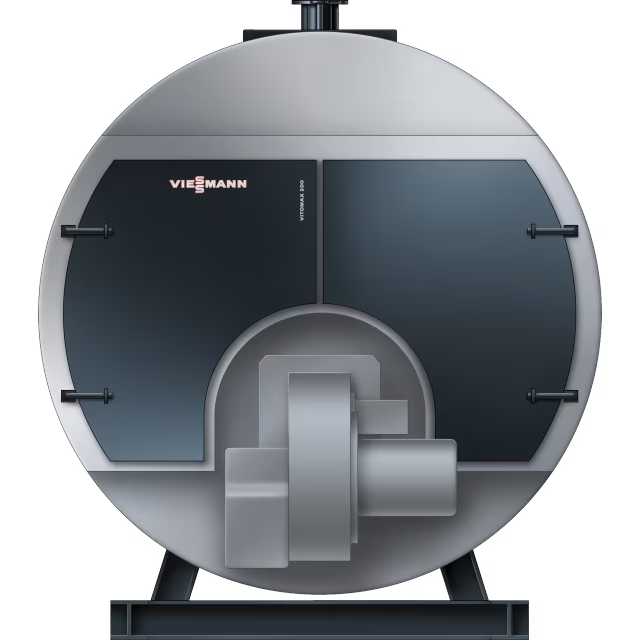

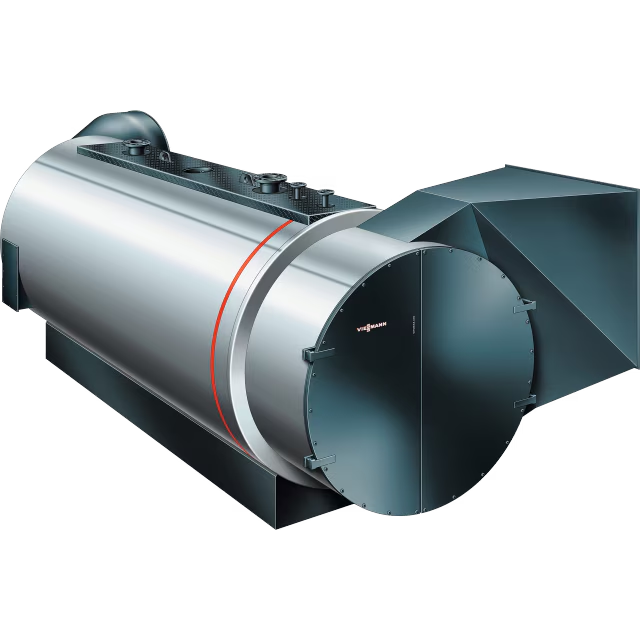
Waste heat boiler for hot water production
This waste heat boiler produces hot water using the hot flue gases produced by burning fuel.
-

Use of process and waste heat
-

Reducing operating costs
-

Flexible applications
-

H2 readiness 100%
Your local Viessmann sales partner will provide you with individual advice.
Use of process and waste heat
As a "waste product" of industrial processes or hot flue gases
Reducing operating costs
By saving fossil fuels
Flexible applications
Thanks to the individual design
H2 Readiness
Works with hydrogen up to 100%
Vitomax RW waste heat boiler for hot water production
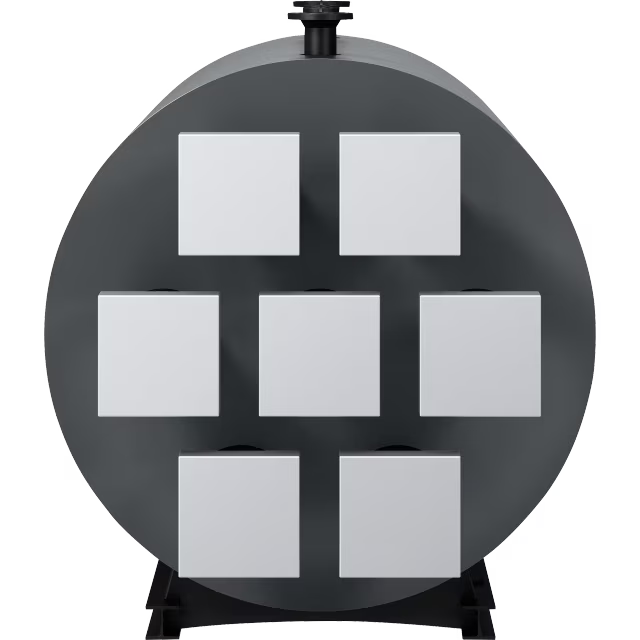
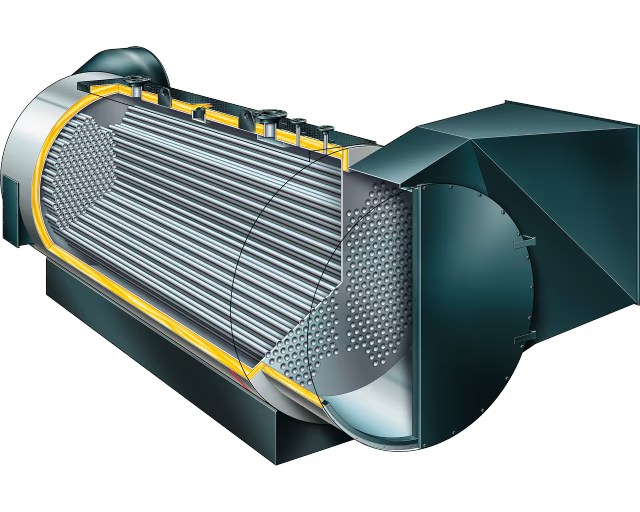
Viessmann waste heat boilers are designed using the fire tube:flue tube principle. Hot flue gas passes through tube bundles, where heat is transferred to the water inside the boiler body.
To minimize radiation losses, this waste heat boiler is equipped with thermal insulation and a metal casing. Like all Vitomax boilers, the boiler support evenly distributes the load over a large floor area.
Hydrogen up to 100 percent
In chemical production, such as chlorine production and other industrial processes, much of the hydrogen gas is wasted and released into the atmosphere. Vitomax boilers, which can operate on 100% hydrogen with the appropriate burner, offer a cost-effective and efficient solution. At the same time, significant amounts of climate-damaging CO2 emissions are avoided .
The operating principle of waste heat boilers
Waste heat boilers use heat from flue gases produced by burning fuel or hot exhaust air from industrial processes to produce hot water.
With or without auxiliary combustion
Waste heat boilers without combustion equipment use only flue gases and exhaust air to generate hot water. Waste heat boilers with combustion equipment are conventional boilers with a burner and waste heat recovery.
The choice of design option depends on the customer’s requirements.
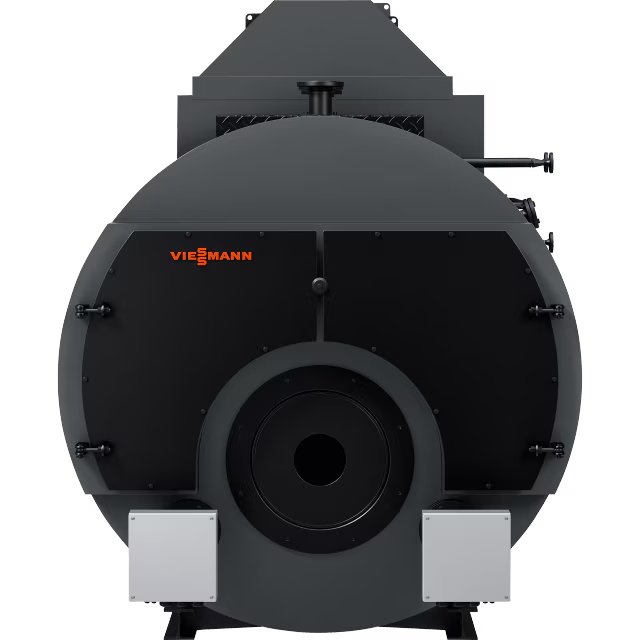
Waste heat boiler with additional combustion
Traditional Vitomax LW / Vitomax HW with additional flues for waste heat
All Vitomax RW fuel-fired boilers are suitable for burning up to 100% hydrogen, provided our general conditions for the use of H2 are met .